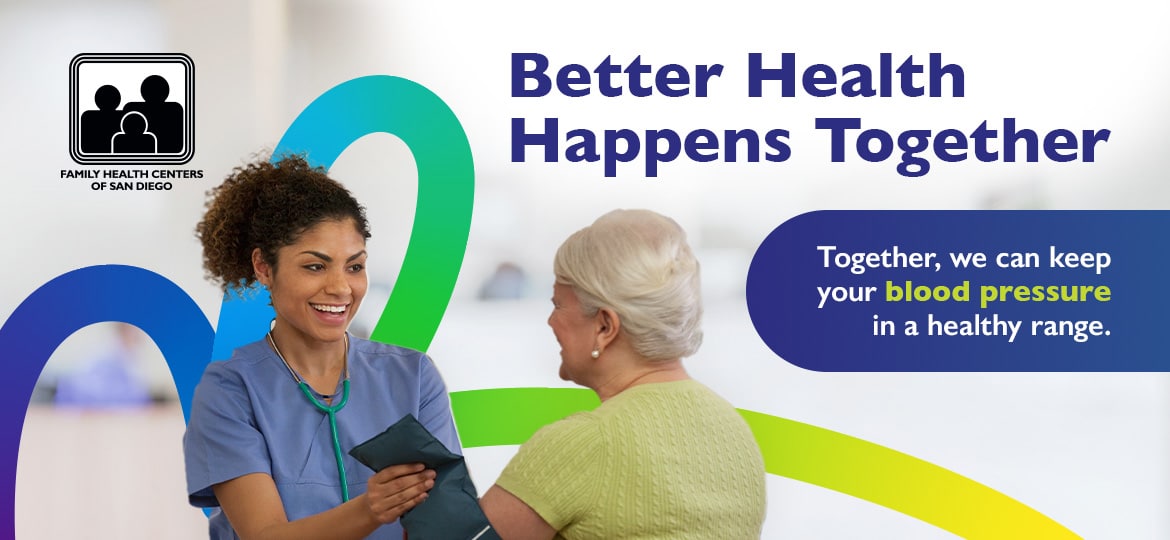
Together, we can keep your blood pressure in a healthy range.
Managing high blood pressure is easier with the right support. Our program offers short educational videos, downloadable resources and one-on-one guidance from our patient education team. These tools can help you build healthy habits, stay on track and feel your best.
Take control of your blood pressure
High blood pressure, or hypertension, is common. Many people have it and do not notice any symptoms. Even if you feel fine, high blood pressure can quietly damage your heart, brain, kidneys and blood vessels over time. The good news is you can take clear steps to lower it and protect your health.
Why blood pressure matters
When blood pressure stays high, your heart must work harder to move blood through your body. This extra strain increases the risk of heart attack, stroke, kidney disease and vision loss. Lowering your blood pressure reduces these risks. Even small changes can make a big difference.
What you can do today
You have more control than you may think. These steps are proven to help:
1. Check your blood pressure at home
- Home checks give a more accurate picture than a single reading in a clinic.
- Use an upper-arm cuff that fits your arm.
- Sit with your feet flat, back supported and arm at heart level.
- Rest for five minutes before taking a reading.
- Do not talk while the cuff inflates.
- Take two readings in the morning and two in the evening for a week, at least one minute apart. Share the average with your care team.
2. Eat for your heart
Choosing the right foods helps lower blood pressure over time.
- Add fruits, vegetables, whole grains, beans and lean proteins.
- Choose foods lower in salt. Many packaged and restaurant foods contain more salt than you expect.
- Taste your food before adding extra salt.
3. Move your body
Aim for regular movement most days of the week. This does not have to be intense. Walking, dancing, swimming or simple home workouts all count. Even 10-minute bursts add up.
4. Limit alcohol and stop smoking
Too much alcohol raises blood pressure. Tobacco harms blood vessels and increases heart risk. Cutting back or quitting helps your blood pressure improve.
5. Maintain a healthy weight
Losing even a small amount of weight can lower your blood pressure. Focus on steady, realistic changes rather than quick fixes.
6. Manage stress
Stress can raise blood pressure. Slow breathing, short breaks, gentle stretching or talking with someone you trust can help calm your body.
7. Take your medicine as prescribed
If your provider gives you medicine for blood pressure, take it every day as directed. Many people need both lifestyle changes and medication. This is normal and not a sign of failure.
8. Stay connected with your care team
Your health care team is here to support you. Share your home readings, ask questions and tell us what is getting in your way. Working together increases your chances of reaching a healthy blood pressure.
Our health education team can provide individualized guidance to help improve your blood pressure. They offer ongoing support, accountability and strategies for sustainable lifestyle changes, all at a pace that is comfortable for you.
High Blood Pressure (Hypertension)
Life’s Essential 8: The checklist for lifelong good health
Life’s Essential 8 includes two main areas: Health behaviors and health factors. Learn more about all eight.
DOWNLOAD HANDOUT
Learn more:
Contact our staff by filling out the form below.