At Family Health Centers of San Diego, we believe good health begins with the choices we make every day. Nutrition and physical activity are essential to overall well-being, and the right information helps build lifelong healthy habits.
To support our patients and community, we share trusted resources to make healthy living more accessible and achievable for everyone. This reflects our commitment to empowering patients with knowledge, supporting healthy families and reducing barriers to care.
Resources for Parents
Nutrition
Help your child build a healthy eating routine
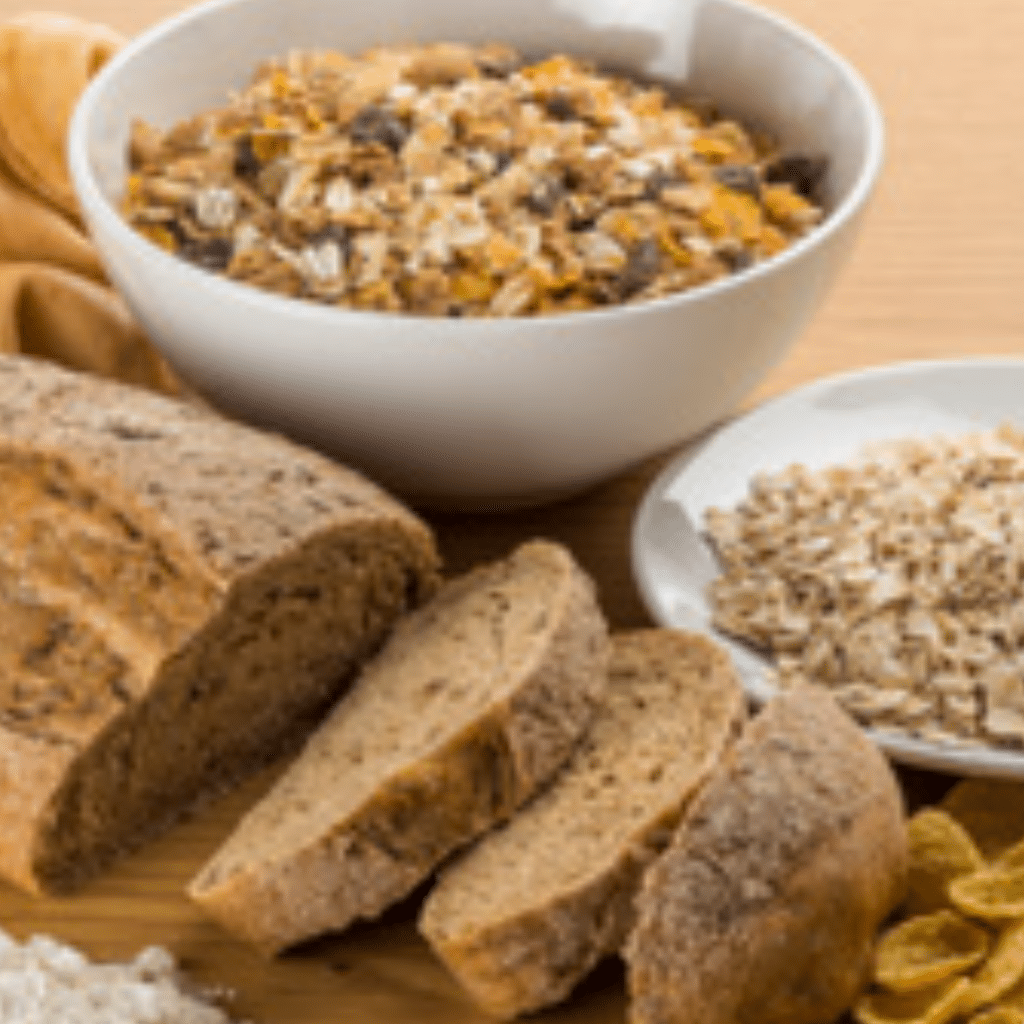
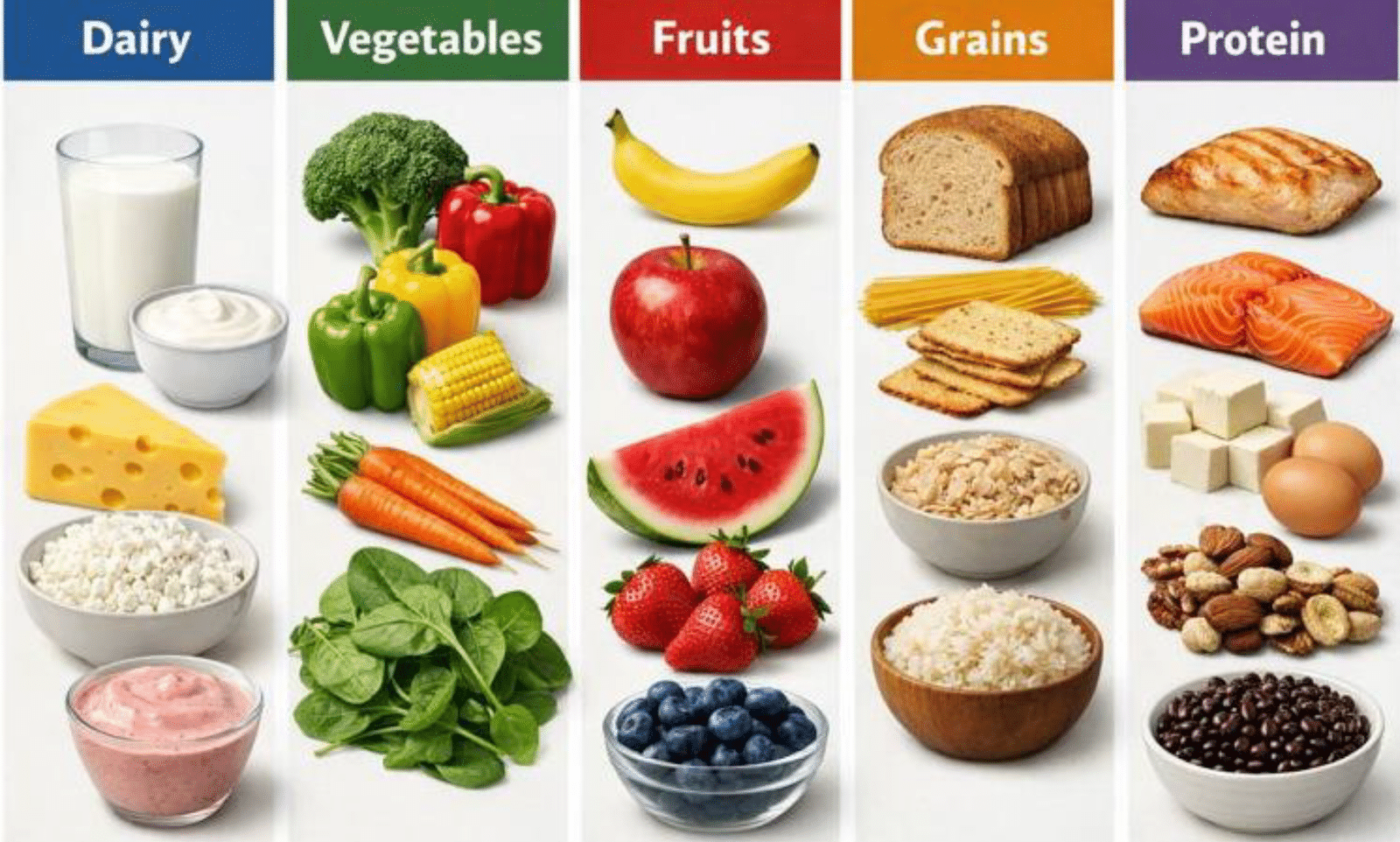
Offer your child a mix of healthy foods
There are many healthy choices in each food group. Help your child find a variety of foods they enjoy, including:





Picky eating is common in young children. Over time, you can help your child explore a wider variety of healthy foods. Try these tips:
- Offer each new food many times. Children may need up to 10 tries before they get used to it.
- Use different preparation methods. Children who do not like cooked vegetables may enjoy them raw and crunchy.
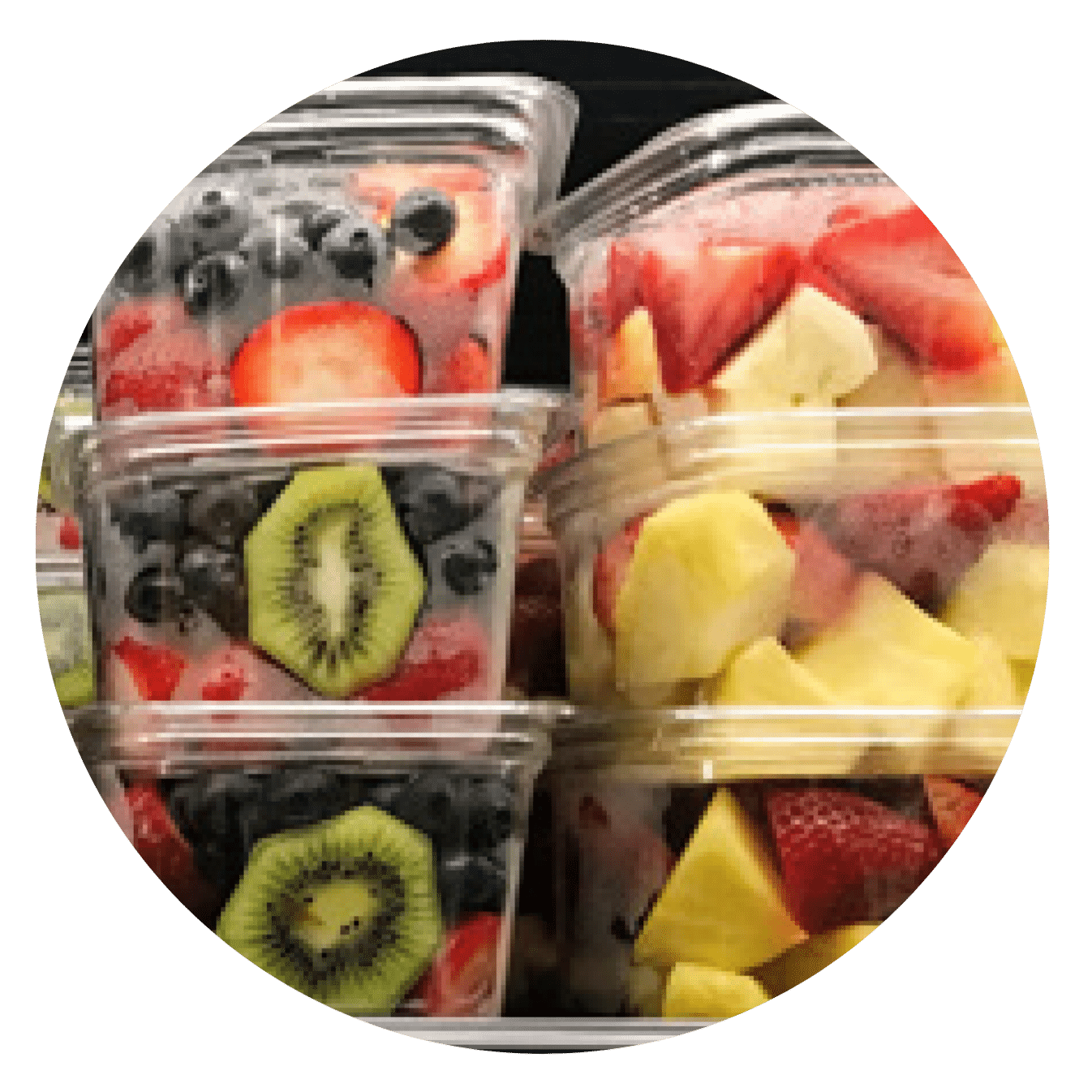
- Cut fruits and vegetables into small pieces to make them easier to eat.
Avoid drinks with added sugars
Added sugars include sugars added to foods and drinks, packaged sweeteners such as table sugar and sugars from syrups and honey. Drinks with added sugars, such as soda and sports drinks, can make it harder for your child to get the nutrients they need without consuming too many calories.
Follow these tips to avoid or limit drinks with added sugars:
- Offer water first. Consider giving your child a reusable water bottle to use throughout the day.
- Choose plain low-fat (1%) or fat-free (skim) milk instead of flavored milk with added sugars.
- Keep sparkling water in the refrigerator instead of soda. Add fruit or herbs for extra flavor.
Choose whole fruit instead of juice whenever possible. Whole fruit contains fiber that helps support good health.
If you offer juice:
- Limit servings to 4 ounces or less per day
- Choose whole fruit instead of juice whenever possible
Be a role model
Children often imitate their parents and caregivers. When they see you making healthy choices, they are more likely to do the same.
Try these tips to set a good example:
- Go shopping together and let your child help choose healthy foods
- Model healthy habits by eating vegetables and drinking water instead of soda
- Make mealtimes family time. Eating healthy meals together can help children learn to enjoy healthy foods
- Cook meals together and involve your child in planning and preparing meals throughout the week
- Celebrate your family food traditions and teach your child about healthy foods from your culture


Help your child build healthy bones
Children and teens need calcium and vitamin D to build strong, healthy bones. Dairy products and fortified milk alternatives are good sources of these important nutrients.
Encourage your child to choose:
- Low-fat (1%) or fat-free (skim) milk and yogurt, including lactose-free options
- Unsweetened soy, oat or almond milk fortified with calcium, vitamin A and vitamin D
Help your teen make healthy choices
As children grow older, they often want more control over their food choices. Many teens choose convenient foods that are high in calories and low in nutrients.
Try these tips to help your teen build healthy habits:


Physical Activity
Help your child stay active every day
Physical activity helps children grow strong and healthy. Regular activity can also improve sleep, boost mood and support learning. When children feel their best, it can make family life easier, too.
Benefits of physical activity
Better sleep

Improved mood

Better focus and school performance
What counts as physical activity?
Any activity that gets children moving counts.

Encourage active play with friends

Reward them for completing active chores

Enroll them in free or low-cost sports or classes
Physical activity goals by age
Children ages 3 to 5 should be physically active throughout the day.
- Aim for at least three hours of movement each day
- Encourage active play through a variety of activities
- Limit time spent sitting, including recreational screen time
Children and teens ages 6 to 17 need at least 60 minutes of physical activity every day.
- Most activity should be moderate-intensity aerobic activity
- Any activity that gets the heart beating faster counts
- Include a variety of enjoyable physical activities

At least 3 days each week, children should also participate in:
Vigorous-intensity aerobic activity

Activities that raise the heart rate and make breathing harder such as running, biking or soccer
Muscle-strengthening activity

Activities that make muscles work harder such as climbing, push-ups or swinging on monkey bars
Bone-strengthening activity

Activities that put pressure on bones help them get stronger such as running, jumping rope or gymnastics
Is it moderate or vigorous?
Use the “talk test” to find out.
- If you can talk comfortably but are breathing harder than usual, the activity is moderate intensity
- If you can only say a few words before taking a breath, the activity is vigorous intensity
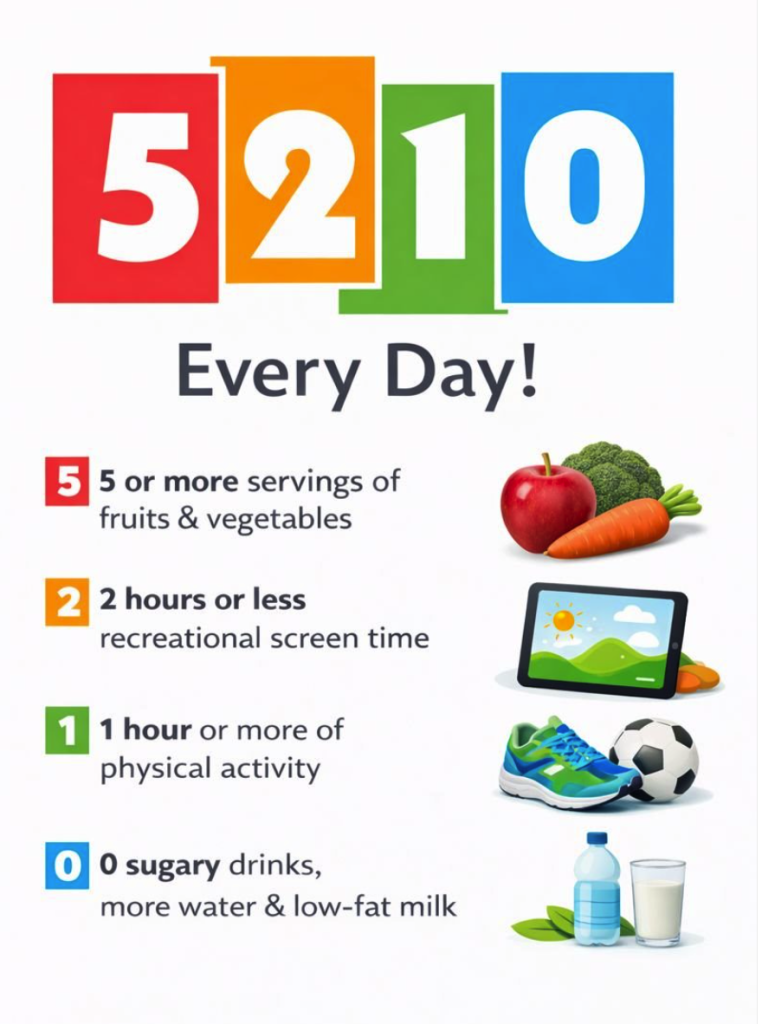
Follow the 5-2-1-0 guideline every day
| Goal | Recommendation |
|---|---|
| 5 | 5 or more servings of fruits and vegetables |
| 2 | 2 hours or less of recreational screen time |
| 1 | 1 hour or more of physical activity |
| 0 | 0 drinks with added sugars; choose water and low-fat milk |
Keep screens out of bedrooms and avoid screen time under age 2
Benefits of physical activity
Develop movement skills
Core physical skills such as jumping, throwing and kicking help children develop coordination and confidence through practice and play.
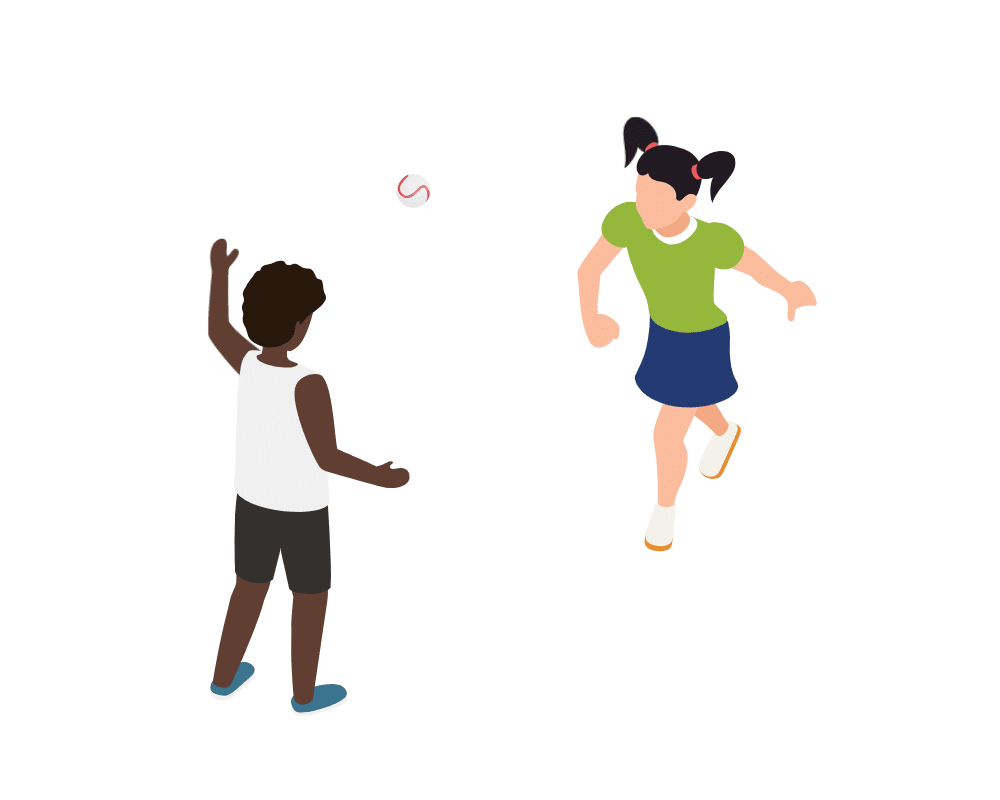
The big picture
A child’s physical activity habits are influenced by family, friends and their environment.
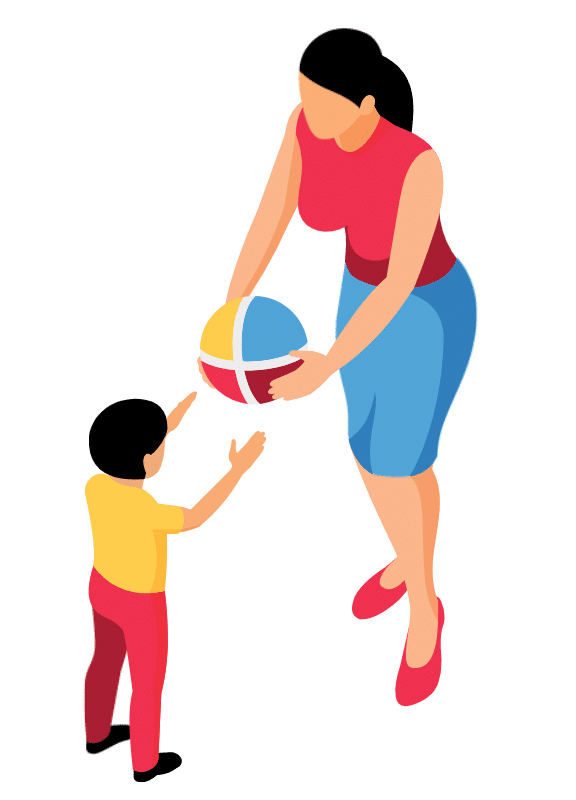
Start positive
Healthy habits formed early in childhood help build the foundation for lifelong health and well-being.
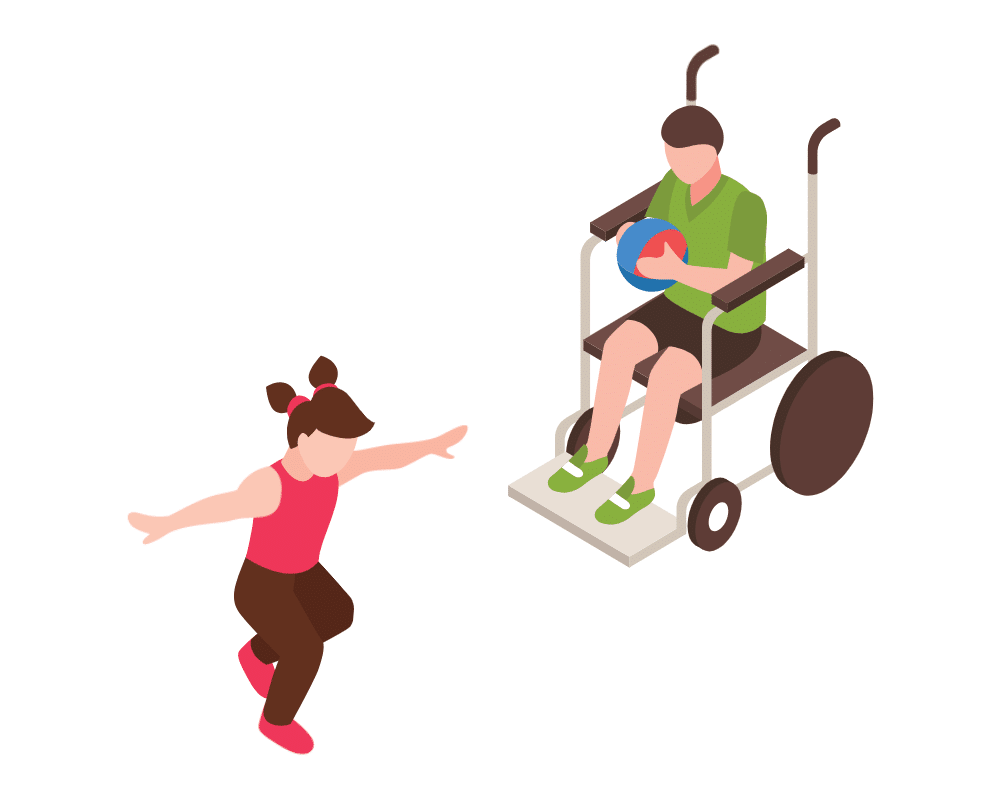
Support physical fitness
Encourage children to participate in sports and active play that strengthen their bodies, improve coordination and build lifelong healthy habits.
Resources for Teens
Nutrition
Build healthy eating habits
Eat a variety of foods
Make choices from all food groups — fruits, vegetables, whole grains, protein foods, and dairy or nondairy options such as soy, oat or almond milk — every day. Each group provides different nutrients, and you need all of them







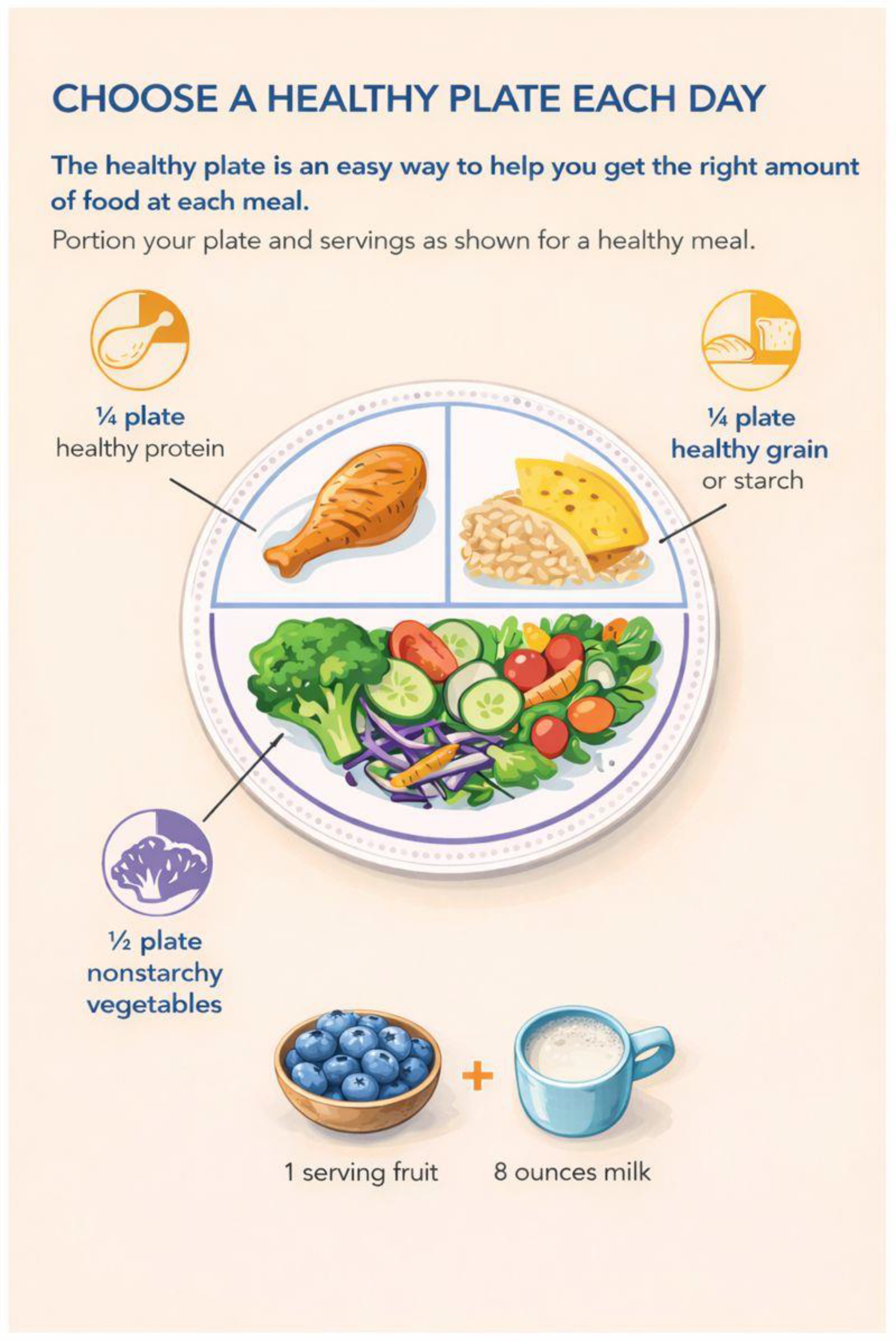
Choose a healthy plate each day
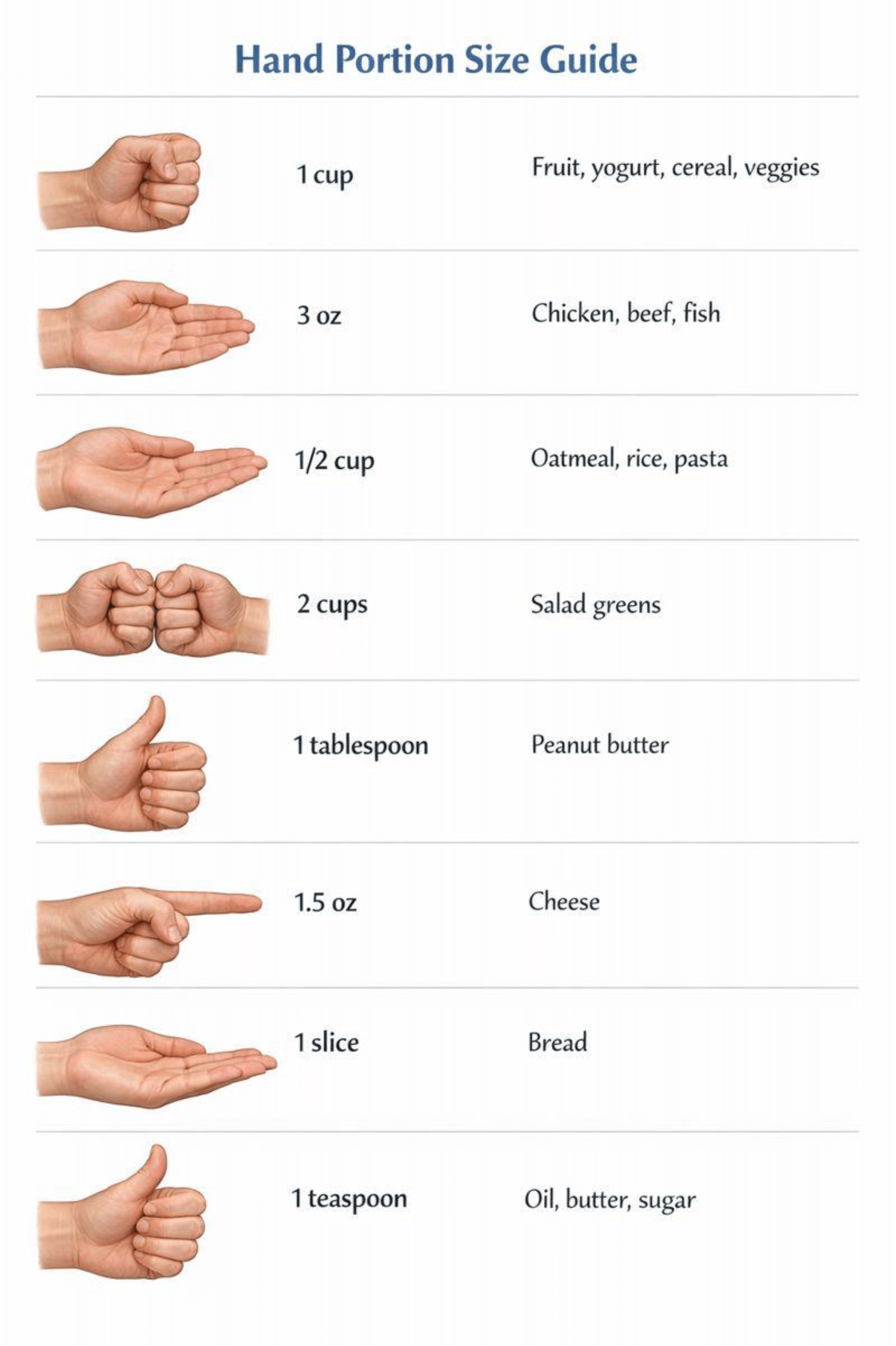
Portion your plate to include the following servings for a balanced meal.
Daily goals
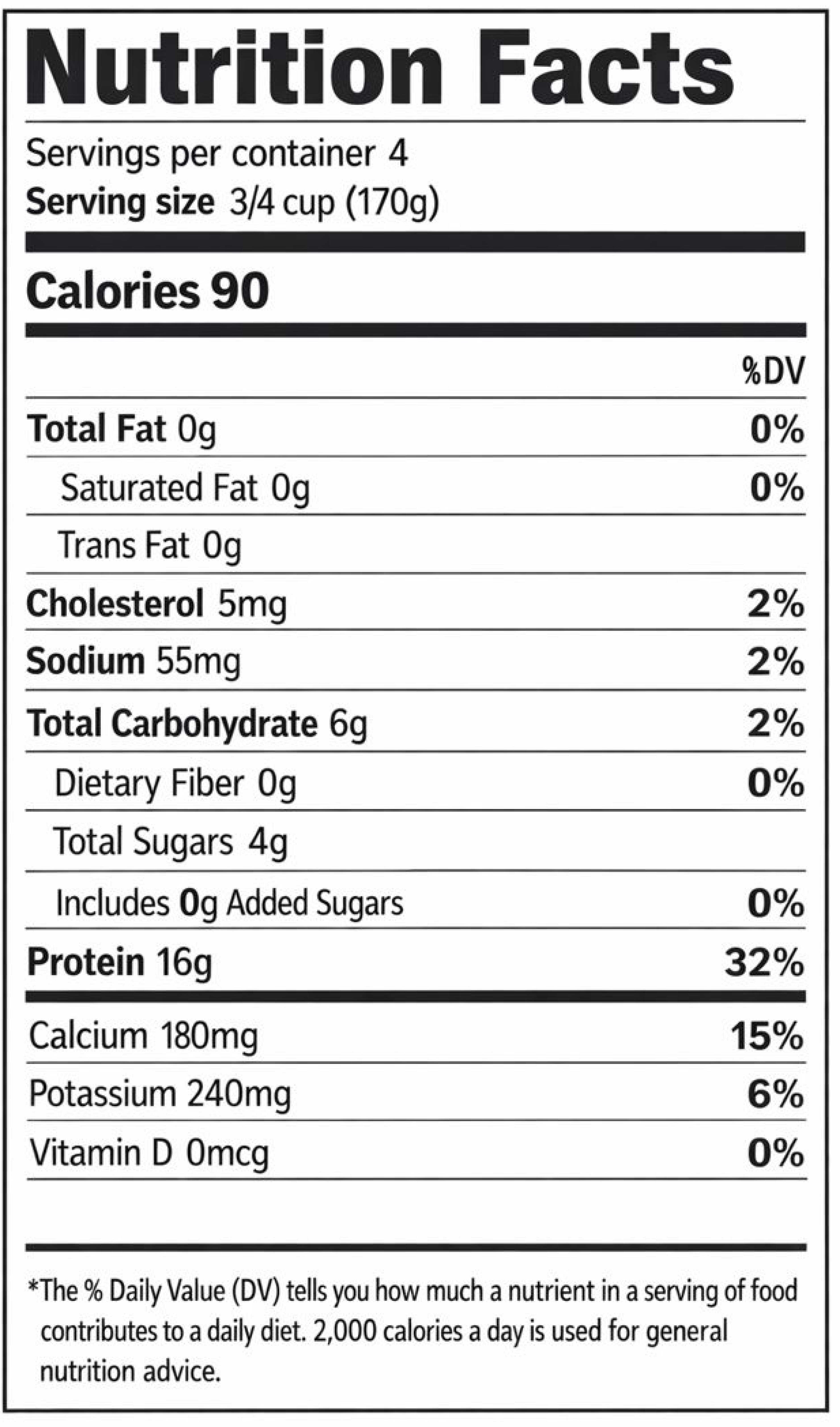
How do food labels help you?
Food labels are a useful tool for making informed food choices.
Start with the serving size
Not every package contains just one serving. Check the serving size and compare it with the amount you plan to eat. This provides important context for the rest of the label.
Keep certain nutrients in check
Limit foods high in saturated fat, sodium and added sugars.
Look for nutrients you need more of
Choose foods that provide more fiber, calcium, potassium and vitamin D. A Daily Value (DV) of 10% or more is a good source of a nutrient, and 20% or more is excellent.
Look at the big picture
Some foods that are rich in nutrients, such as fresh fruits, vegetables and lean meats, may not have Nutrition Facts labels. These foods are healthy options, along with low-fat dairy products and whole grains.

Nutritious foods tend to be full of flavor.
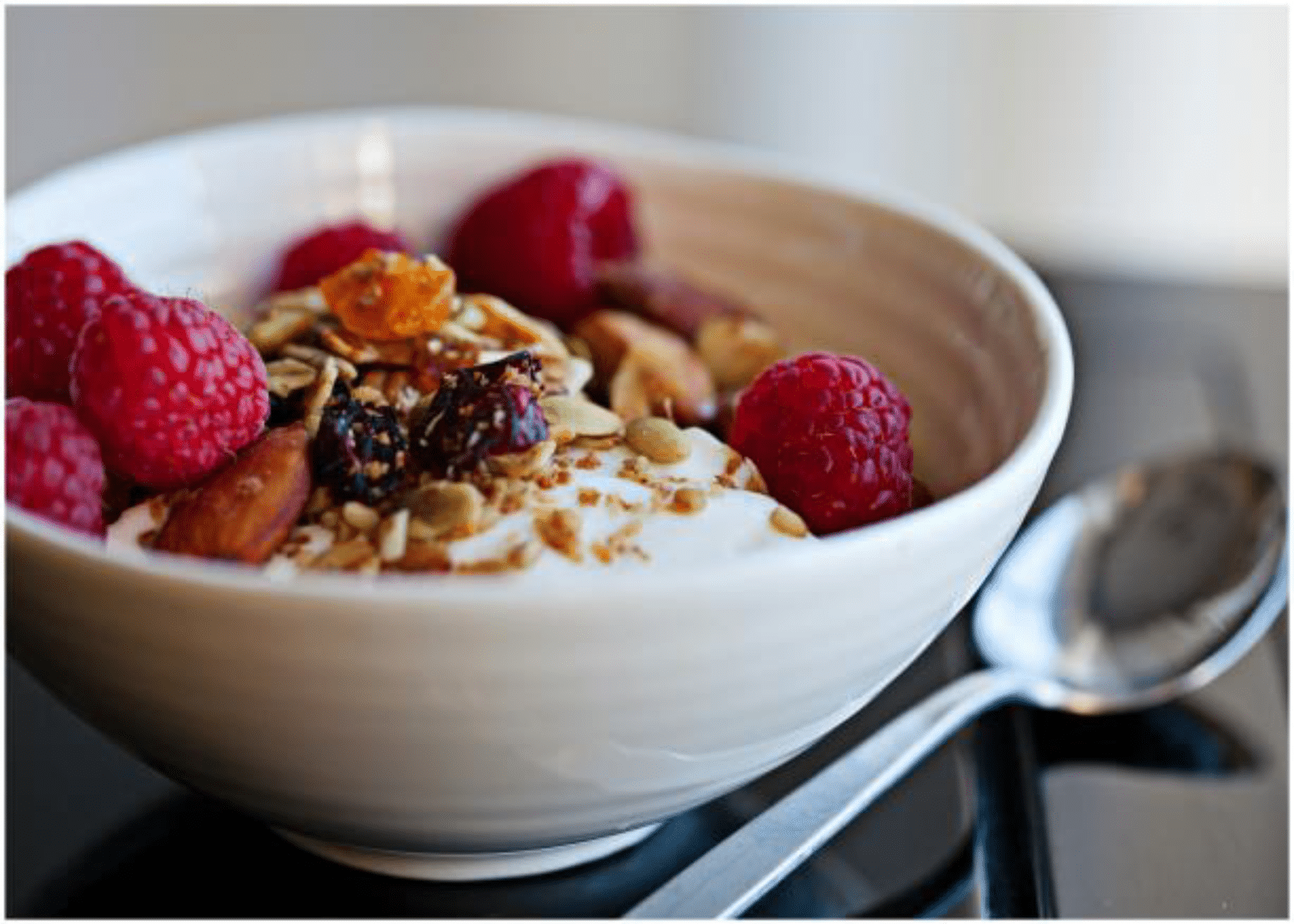
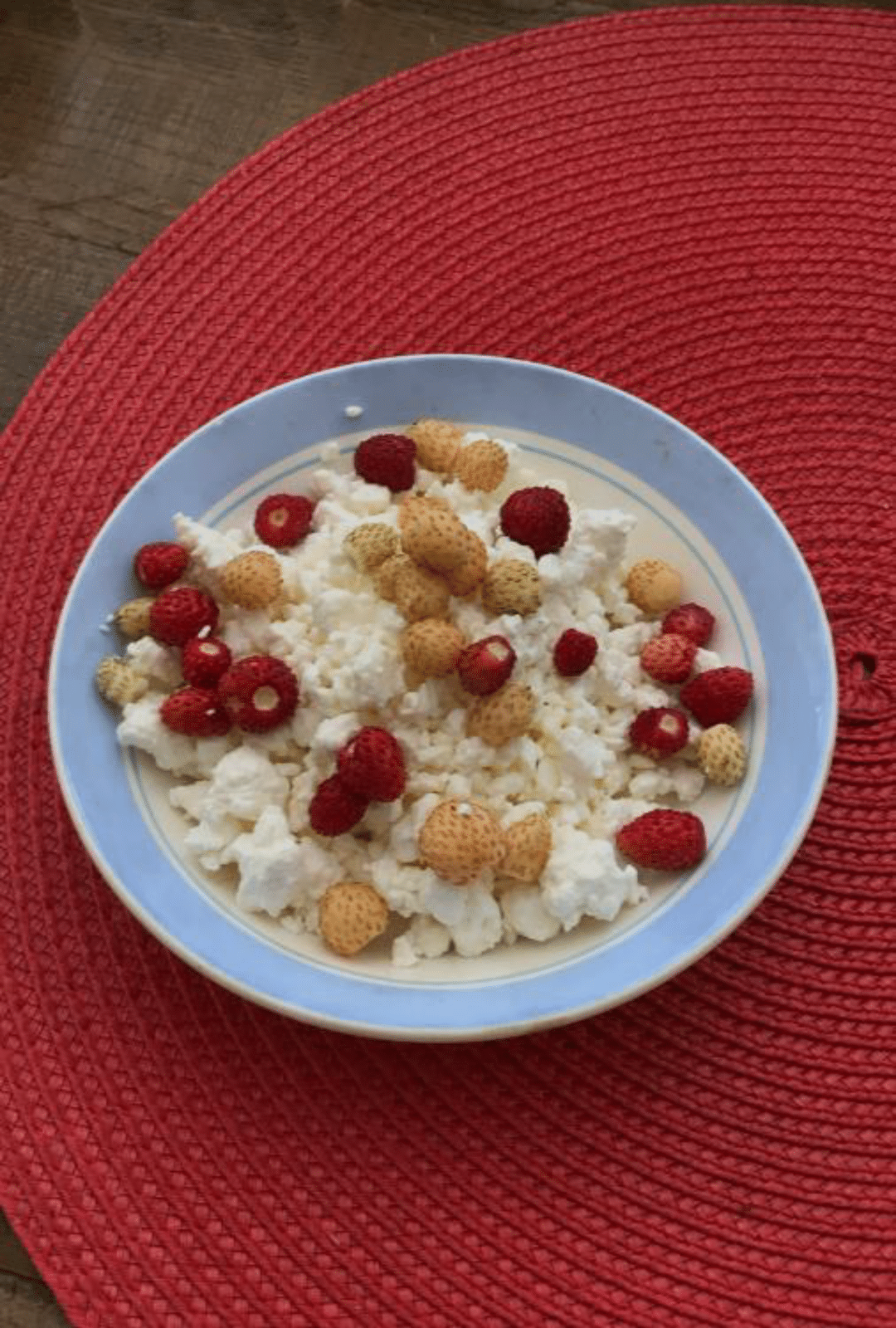
Healthy snack ideas




Physical Activity
Build an active routine
Staying active helps improve mood, focus, strength and endurance.
Start small
Sit less and move a little more. Take the dog for a walk, dance to a favorite song or bike or walk to school. Look for small opportunities to be active throughout the day.

Get 60 minutes a day
Aim for about 60 minutes of physical activity each day to support your heart, muscles and bones. Most days should include moderate- to vigorous-intensity activity. You can spread activity throughout the day — every minute counts.

Make it fun
When physical activity is enjoyable, you’re more likely to stick with it. Try soccer, dancing, basketball, jump rope, swimming or strength-training exercises. Visit a park or recreation center, or invite a friend to join you for extra motivation.

Limit screen time
Try to keep TV, computer and recreational screen time to about two hours or less per day at home. After homework or long periods of sitting, take a quick movement break — stretch, take a walk or do a few minutes of physical activity.
What kind of activity do I need?
Get a mix of activities that:

Strengthen your bones

Build your muscles

Increase your heart rate
No problem. You can spread your 60 minutes of activity throughout the day.

Before school
Walk to school or the bus stop; dance around the living room

During recess
Play with friends; swing on the monkey bars

After school
Walk the dog; attend basketball practice
Types of physical activity
Aerobic activity

What is it?
Rhythmic movement you can sustain continuously
How often?
Every day; with vigorous activity at least three days per week
How intense?
Moderate to vigorous effort
How much?
Aim for 60 minutes of physical activity each day
Reminder: Move in whatever ways and places you can. If weight loss is your goal, you may need more activity. Include a warm-up and cool-down and gradually increase your pace and activity level.
Muscle-strengthening activity
What is it?
Muscle-strengthening activities using weights, resistance bands, machines or body weight
How often?
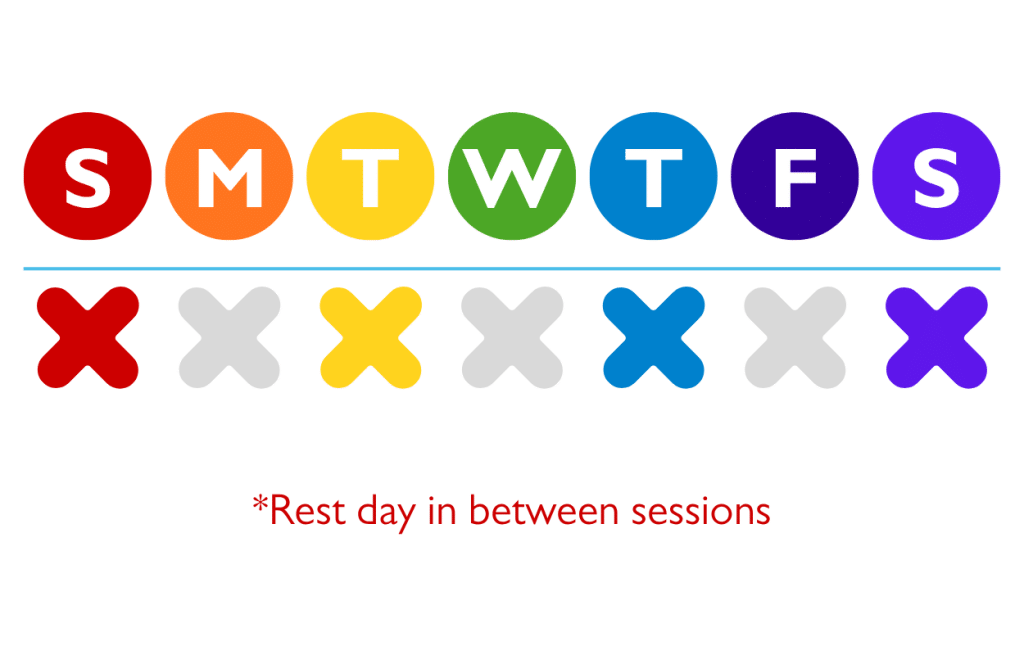
At least three days a week, with rest days between sessions
How intense?
Start light and progress to medium or hard effort
How much?
Aim for 8–15 repetitions with good form
Reminder: Consider guidance from a certified athletic trainer, strength coach or other qualified fitness professional. They can teach proper technique and breathing during exercise.
Bone-strengthening activity

What is it?
Activities that place healthy stress on your bones through impact and jumping

How often?
At least three days a week
How intense?
Fast, weight-bearing activities with jumping or quick changes in direction

How much?
Include bone-strengthening activities as part of your 60 minutes of daily physical activity
Reminder: Choose activities you enjoy and build up gradually. Wear supportive shoes, use proper technique and stay active year-round to help keep your bones strong.
Resources for Adults
Nutrition
Build healthy eating habits
Eat a variety of foods
Make choices from all food groups — fruits, vegetables, whole grains, protein foods, and dairy or nondairy options such as soy, oat or almond milk — every day. Each group provides different nutrients, and you need all of them
Choose a healthy plate each day
Portion your plate to include the following servings for a balanced meal.
Daily goals
How do food labels help you?
Food labels are a useful tool for making informed food choices.
Start with the serving size
Not every package contains just one serving. Check the serving size and compare it with the amount you plan to eat. This provides important context for the rest of the label.
Keep certain nutrients in check
Limit foods high in saturated fat, sodium and added sugars.
Look for nutrients you need more of
Choose foods that provide more fiber, calcium, potassium and vitamin D. A Daily Value (DV) of 10% or more is a good source of a nutrient, and 20% or more is excellent.
Look at the big picture
Some foods that are rich in nutrients, such as fresh fruits, vegetables and lean meats, may not have Nutrition Facts labels. These foods are healthy options, along with low-fat dairy products and whole grains.
Nutritious foods tend to be full of flavor.
Healthy snack ideas
Physical Activity
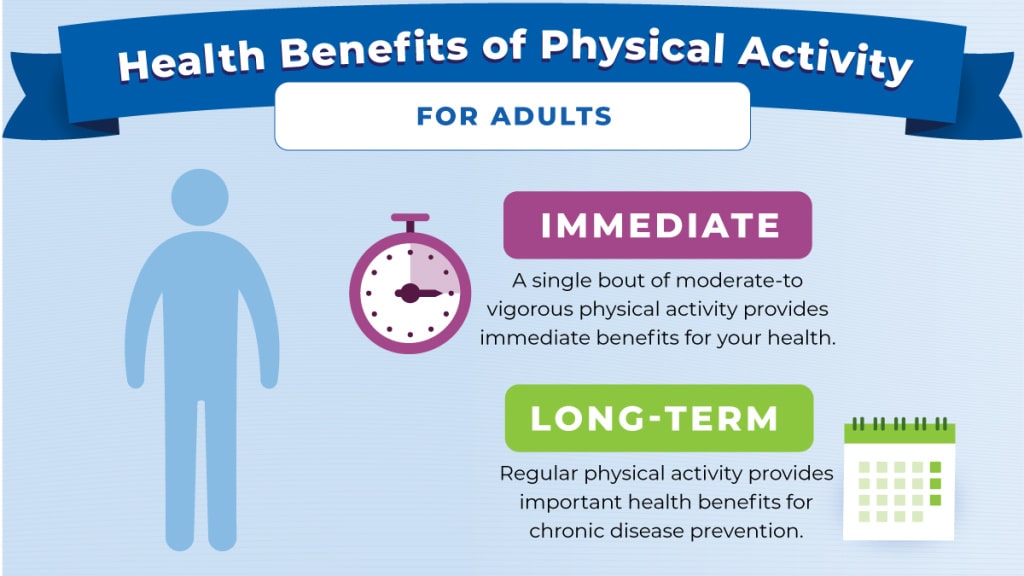
You know you need physical activity to stay healthy.
But did you know it can help you feel better right away?
Benefits of physical activity

Improved mood

Better focus

Reduced stress
Better sleep
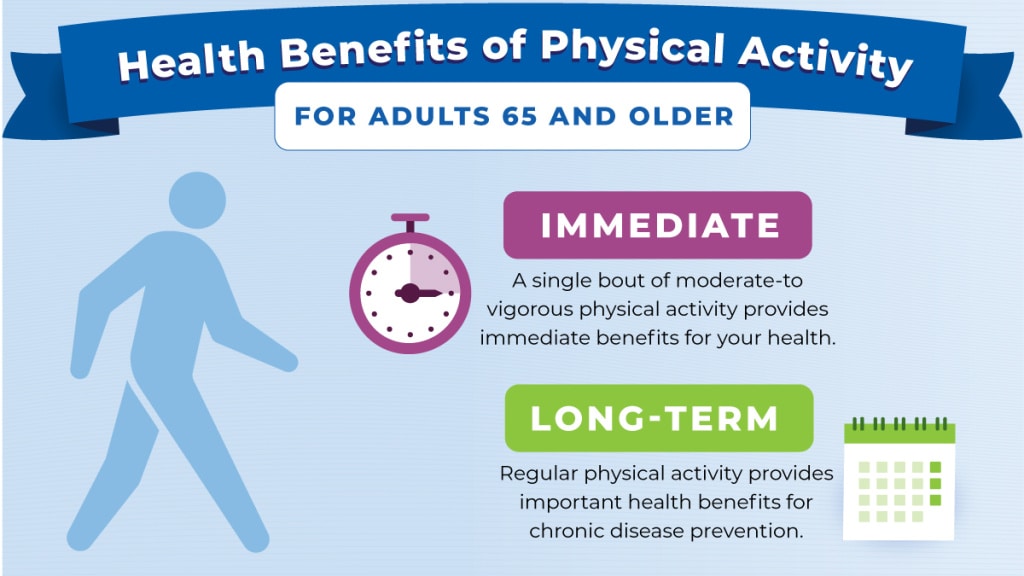
Over time, physical activity can help you live a longer, healthier life and may help:
What counts?
Whatever gets you moving.
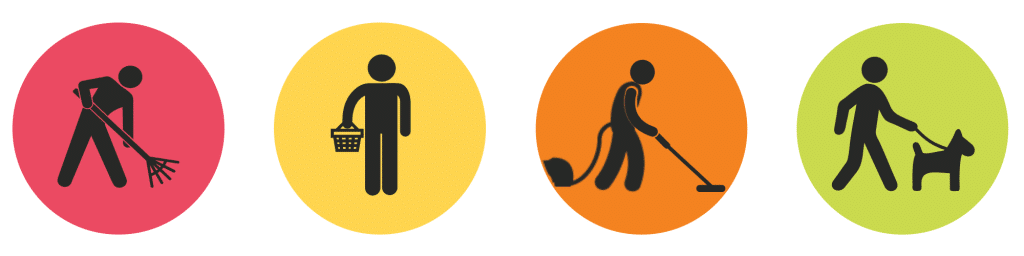
Even things you have to do anyway count
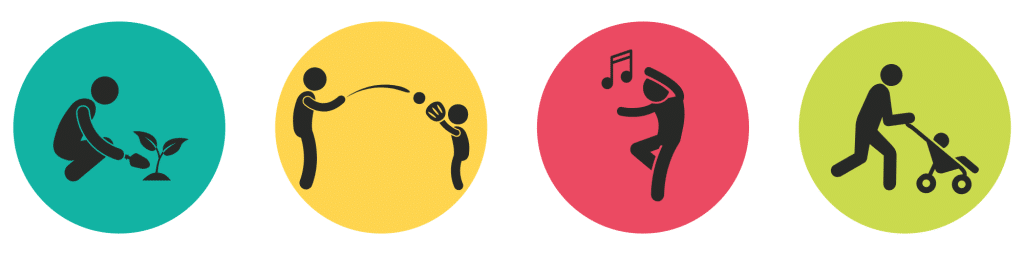
Even things that don’t feel like exercise
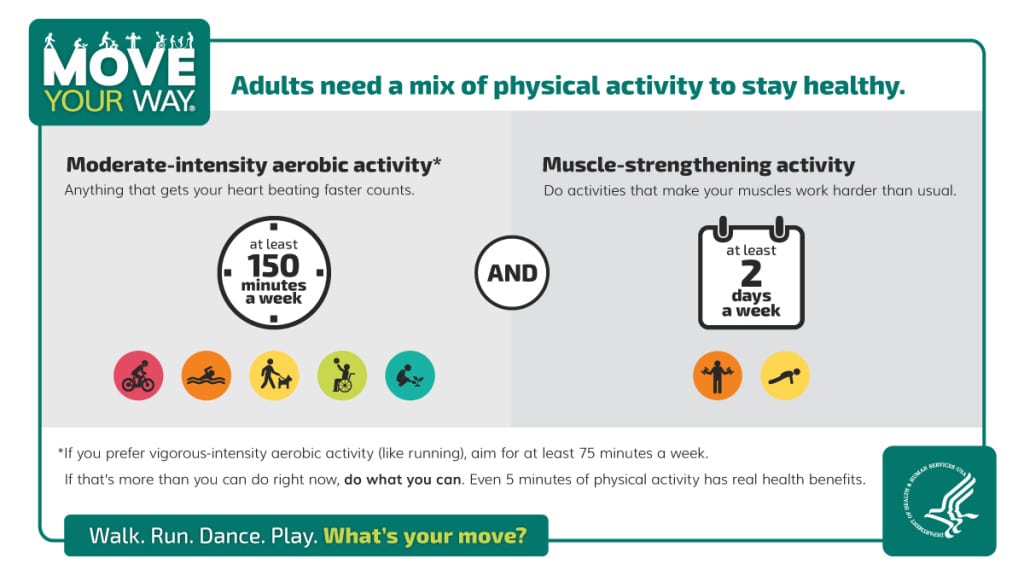
How much activity do I need?
Is it moderate or vigorous?
Use the “talk test” to find out.
- If you can talk comfortably but are breathing harder than usual, the activity is moderate intensity
- If you can only say a few words before taking a breath, the activity is vigorous intensity
10 ways to move more
1. Start with 10 minutes
Short activity breaks add up. Take a 10-minute walk before work, during lunch or after dinner to help reach your weekly activity goal.
2. Try different activities
Keep it interesting by mixing up your routine. Swim, walk, dance, garden, do strength exercises at home or try a fitness class.
3. Be ready to move
Keep comfortable clothes and supportive walking shoes nearby so it’s easier to fit activity into your day.
4. Look for opportunities to be active
Take the stairs when you can, park farther away, walk the dog or spend time being active with your family at a local park.
5. Move while you watch
Stretch, use resistance bands, walk on a treadmill or do simple exercises while watching your favorite TV show or movie.
6. Get active with your family
Instead of watching from the sidelines, walk around the field, play with your kids or join them in their favorite activities.
7. Stay motivated with others
Invite a friend for a walk, join a community exercise class or find a local walking, sports or recreation group that matches your interests and abilities.
8. Enjoy the outdoors
Take a walk, hike a trail, visit a park, ride a bike or spend time outside doing activities you enjoy.
9. Add movement to your workday
Take short walking breaks, stretch throughout the day or encourage coworkers to join you for a walk during lunch.
10. Remember that daily tasks count
Housework, yard work, washing the car and other everyday activities all contribute to your weekly goal. Every movement counts toward at least 150 minutes of moderate-intensity physical activity each week.