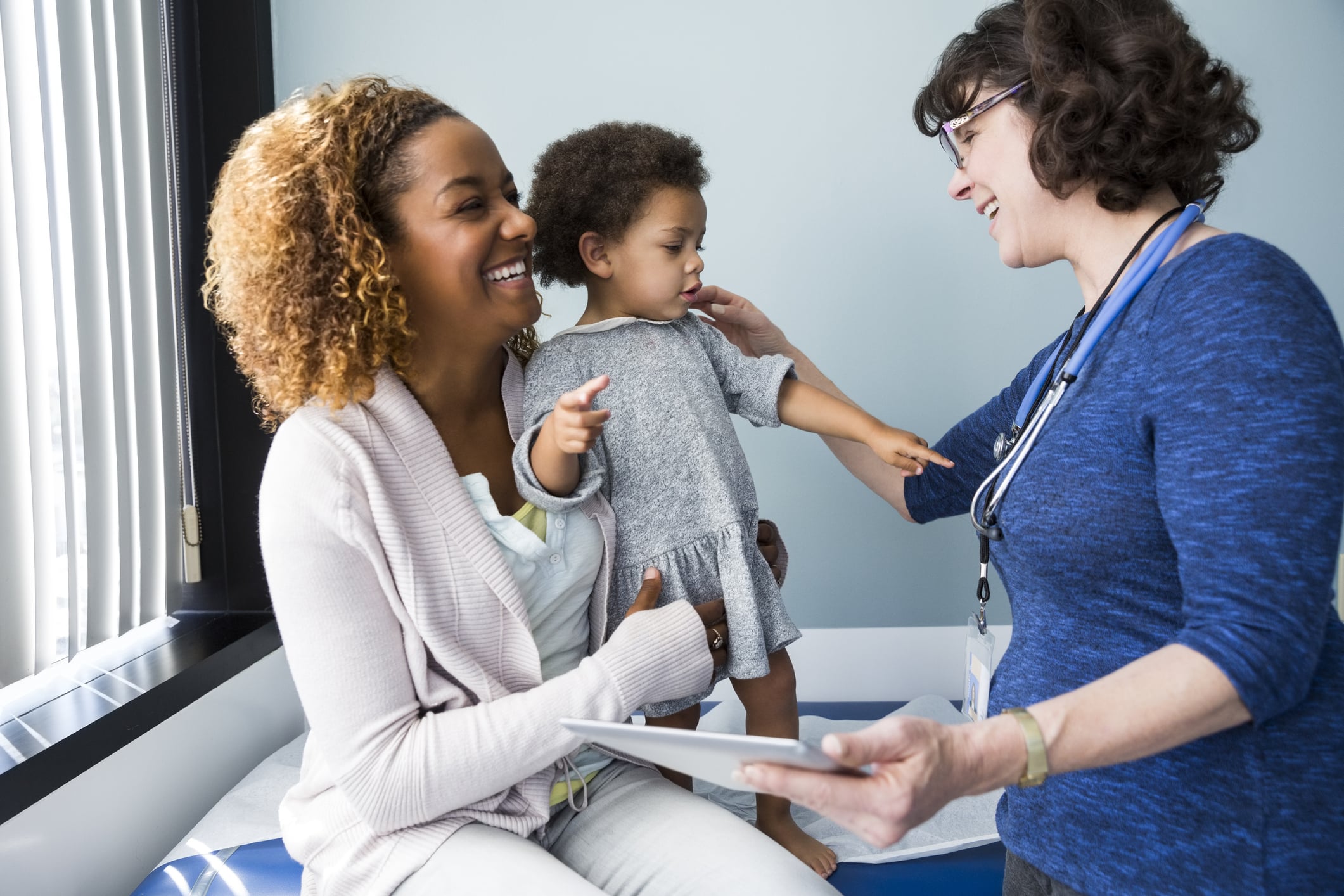
Wellness visits during your child’s first year of life are one of the most important tools for keeping them healthy. Pediatricians and public health experts recommend these checkups to help track growth, prevent disease, and support development.
What happens at these visits?
These visits are structured checkups focused on growth, development, prevention, and supporting parents. Doctors check your baby’s weight, length and head size. They make sure your child is growing as expected and meeting early developmental milestones. These visits also include important vaccinations that protect against serious diseases like whooping cough, measles and polio.
Why the first year is critical
Infants grow and change faster in their first 12 months than at any other time in life. This includes visits 2-3 days after leaving the hospital, and at 1 month, 2 months, 4 months, 6 months, 9 months and one year. These regular wellness visits allow health care providers to catch small issues before they become big problems. This includes spotting delays in movement, language or social skills early, when help can make the greatest difference.
A team approach
The American Academy of Pediatrics views these visits as a partnership between families and health care providers. They create space for parents to ask questions, address concerns and receive evidence-based advice while also allowing pediatricians to support caregiver well-being for issues like post-partum depression. This team approach helps develop optimal physical, mental and social health of a child.
Prevention and Protection
During these visits, pediatricians monitor growth to identify concerns. They look for delays in rolling over, sitting up or making eye contact. Limited babbling — meaning a baby is not making many sounds such as “ba,” “da” or “ma” by 9 months — can be an early sign of a speech, hearing or developmental concern. Not responding to sounds or not smiling by certain ages may also signal a problem. Providers may also spot concerns such as vision problems, muscle stiffness or flat spots on the head.
Immunizations given during the first year protect against life-threatening illnesses. Staying on the recommended schedule means your child gets protection at the ages when they are most vulnerable and the immunizations are proven to be safe and effective.
These visits also emphasize prevention, where pediatricians provide parents with age-appropriate advice on nutrition, sleep, safety and behavior to help prevent injuries and support healthy habits. Unintentional injuries are a leading cause of harm in infants. Providers counsel families on proper car seat use, safe sleep environments, fall prevention and reducing choking hazards. They also address nutrition-related issues, such as iron deficiency anemia and improper feeding practices, by guiding parents on breastfeeding, formula use and the introduction of solid foods.
Conclusion
Regular wellness visits in your child’s first year help ensure they are healthy, safe and developing well. These checkups give families the support and information they need during a time of rapid change. For our patients, well child visits are often scheduled at discharge. We also recommend that families schedule their infant’s well child visits with their primary care provider to continue to build this important relationship. To schedule a wellness visit, please https://www.fhcsd.org/well-child-visits-and-immunizations/ or call (619) 515-2300.