Why it Matters
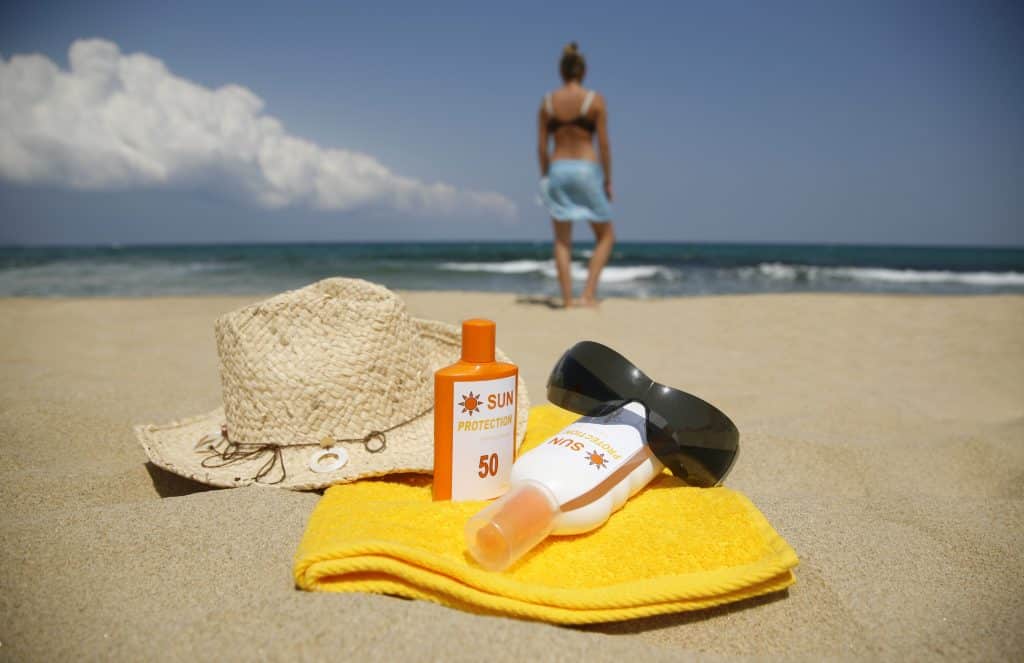
With warmer weather arriving, being outside is a great way to stay physically active, spend time with loved ones and get some vitamin D. However, it is also important to protect yourself from the sun in order to avoid the risk of skin cancer. Learn more about sun safety and how to protect yourself and your loved ones.
Skin Cancer
According to the CDC, most skin cancer is caused by overexposure to ultraviolet (UV) rays. This kind of light is an invisible radiation that comes from the sun, tanning beds and sunlamps.
Though we may think more often about sun protection during sunny days, it is important to protect yourself from UV rays all year long.
We are still exposed to UV rays on cloudy and cool days, and they can reflect off surfaces like water, cement, sand and snow. The American Cancer Society provides several ways to help protect yourself from UV rays. These include:
Seeking Shade
A way to limit exposure to UV light is to seek hared or avoid being in direct sunlight for too long. This is particularly important between the hours of 10 a.m. and 4 p.m., when UV light is strongest.
Using Sunscreen
Sunscreen is a product that you put on your skin to protect it from the sun’s UV rays. The CDC provides the following guidance regarding sunscreen:
- Wear sunscreen with a minimum SPF (sun protection factor) of 15.
- SPF is a relative measurement for the amount of time the sunscreen will protect you from UV rays, particularly UVB rays.
- To protect against UVA rays, look for products that contain Mexoryl, Parsol 1789, titanium dioxide, zinc oxide or avobenzone.
- Throw away sunscreens after 1–2 years (they lose potency).
- Apply liberally (minimum of 1 ounce) at least 20 minutes before sun exposure.
- Reapply at least every two hours.
Wearing Protective Clothing
When you are outside for extended periods, it is important to wear clothing to cover your skin. Clothes provide a different level of UV protection than sunscreen. Darker colors also generally provide more protection than light colors.
Wearing Sunglasses
The American Cancer society shares that sunlight reflecting off sand, water, or further increases exposure to UV radiation and raises your risk of developing eye problems. Certain sunglasses can help protect your eyes. They provide the following guidance for choosing sunglasses:
- Choose sunglasses with a UV400 rating or “100% UV protection” on the label. These sunglasses block more than 99% of UVA and UVB radiation and provide the most protection against UV rays.
- Check to see if your tinted glasses have UV protection. If you are unsure, your eye care professional may be able to check for you. When you wear tinted glasses, your pupils dilate and can increase exposure of your retinas to UV light. Without UV protection, you are putting yourself at risk to harmful effects associated with solar radiation.
- Be aware that children should wear sunglasses that indicate the UV protection level. Toy sunglasses may not have UV protection.
Summary
Being outside can be a healthy and fun activity during nice weather. However, too much sun can cause skin cancer and other health issues. You can work and play outside without raising your skin cancer risk by following sun safety guidelines.