High blood pressure, often called the “silent killer,” affects nearly half of U.S. adults and remains a leading cause of heart disease, stroke and premature death, according to federal health officials. Data from the Centers for Disease Control and Prevention show rates have remained high in recent years and continue to exceed national health goals. Experts warn the problem could worsen without stronger prevention and treatment efforts.
Why Hypertension Matters
High blood pressure typically produces no symptoms until a serious health event occurs, which is why health officials describe it as a silent threat. The CDC says hypertension damages arteries and vital organs over time and contributes to life-threatening conditions, including:
Heart attack and heart disease, caused by narrowed or blocked arteries.
Stroke, when blood flow to the brain is interrupted or a blood vessel bursts.
Kidney damage and loss of kidney function.
Vision problems and other complications.
In 2023, high blood pressure was a primary or contributing cause in more than 660,000 U.S. deaths, underscoring its severity.
The American Heart Association’s Updated Approach
The American Heart Association, in collaboration with the American College of Cardiology, emphasizes prevention and early intervention. Under the latest guidelines:
Nearly half of U.S. adults meet the criteria for high blood pressure.
Hypertension is the No. 1 preventable risk factor for cardiovascular disease, the nation’s leading cause of death.
Healthy habits are central to preventing and managing high blood pressure. These include eating a balanced diet, staying physically active and maintaining a healthy weight. When lifestyle changes are not enough, doctors may prescribe medication.
Challenges in Managing High Blood Pressure
Despite the risks, most adults with high blood pressure do not have it under control. Experts cite lack of awareness, limited access to care and difficulty maintaining treatment plans as key barriers.
The CDC and its partners have launched a National Hypertension Control Program aimed at raising awareness, improving connections between patients and health care providers, and strengthening blood pressure care nationwide.
What People Can Do
Health officials recommend regular screening because high blood pressure often has no early warning signs. Adults are encouraged to:
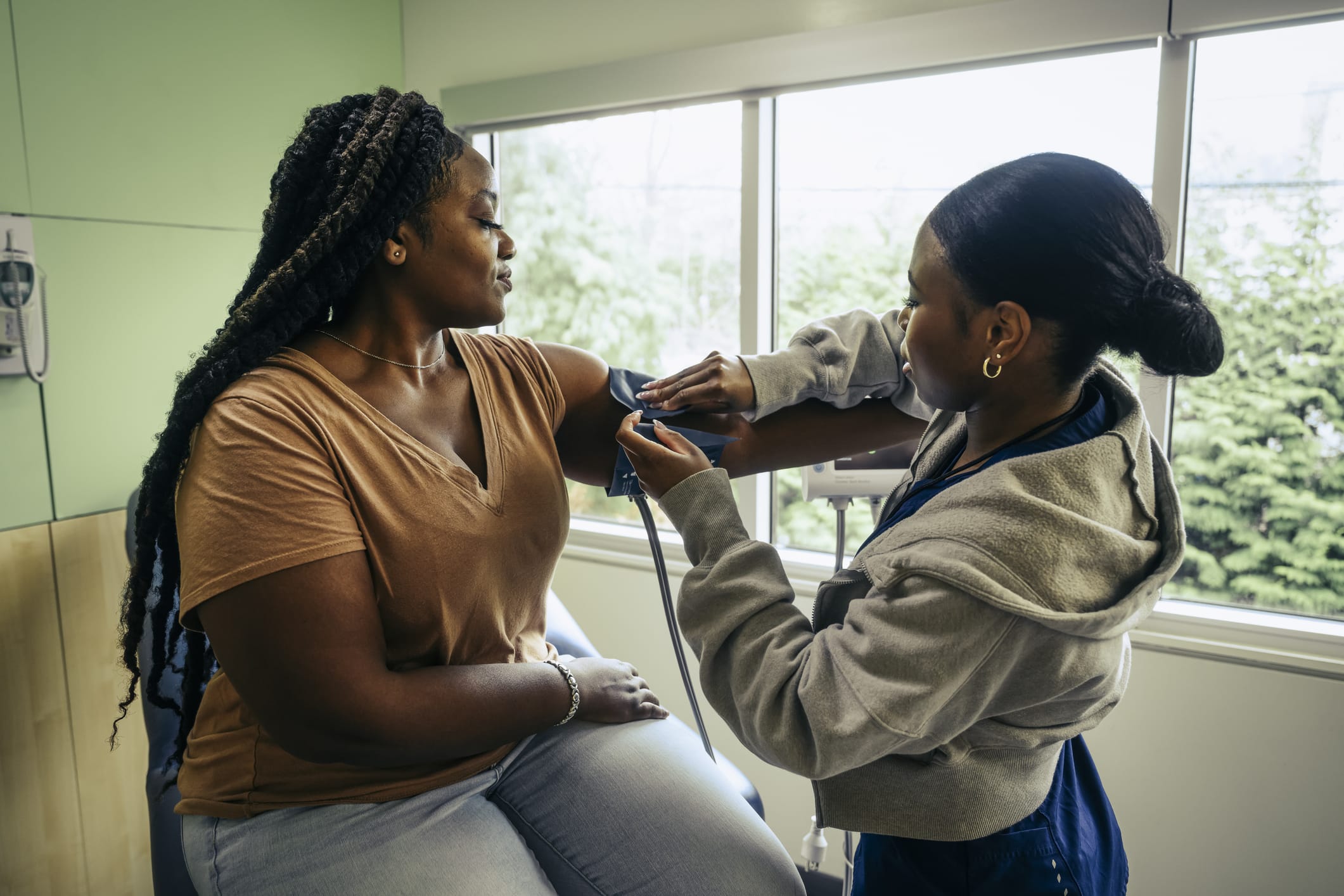
Monitor their blood pressure regularly, either at home or during medical visits.
Adopt heart-healthy habits, including reducing sodium intake and engaging in regular physical activity.
Work closely with health care providers to follow individualized treatment plans.
Early detection and effective management can significantly reduce the risks associated with hypertension and help people live longer, healthier lives. Anyone with questions should consult a health care provider.