Family Health Centers of San Diego and University of San Diego’s BiGI program each receive $200,000 in grants to scale educational, career pathways
Bank of America has named Family Health Centers of San Diego and University of San Diego (USD) BiGI program as its 2026 Neighborhood Builders® for their work providing educational opportunities and creating career pathways into high-demand professions.
Bank of America’s Neighborhood Builders program is one of the nation’s largest philanthropic investments in nonprofit leadership development, providing multiyear funding each year to high-impact nonprofits in communities nationwide. The program also provides leadership training for each organization’s executive director and an emerging leader, as well as access to a national network of nonprofit peers.
“Universities and nonprofits are essential to creating economic opportunity for our local communities,” said Anthony DiBlasi, president, Bank of America San Diego. “The Neighborhood Builders program invests not only in organizations making a difference today, but also in the leaders who will help drive positive impact for years to come.”
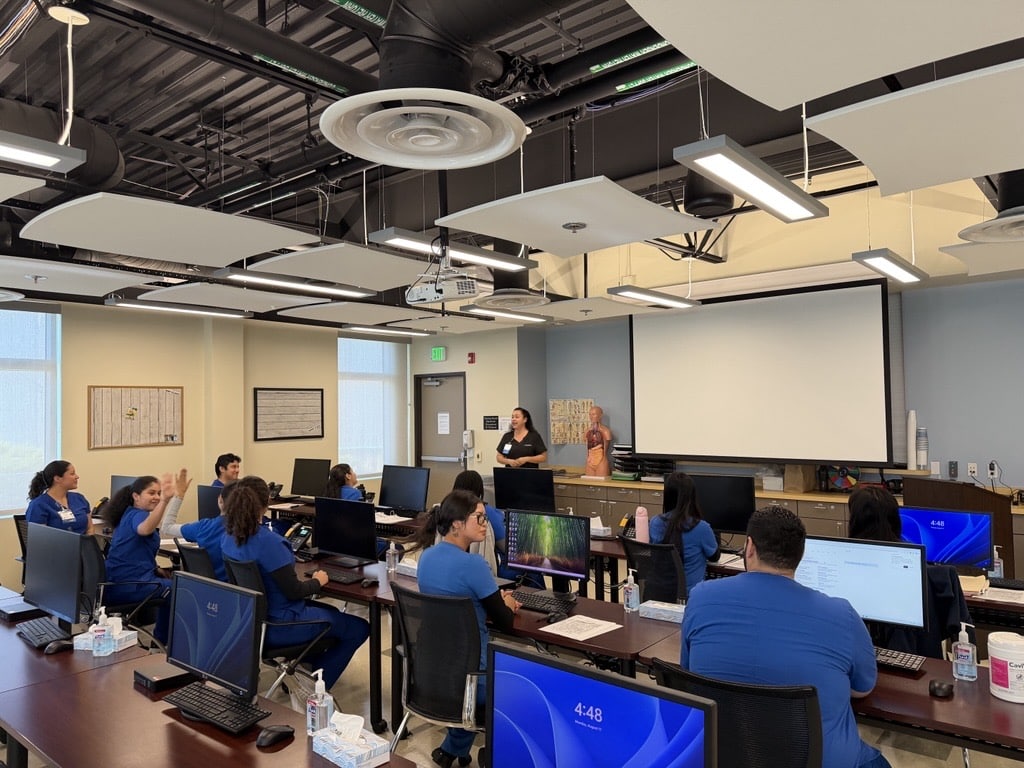
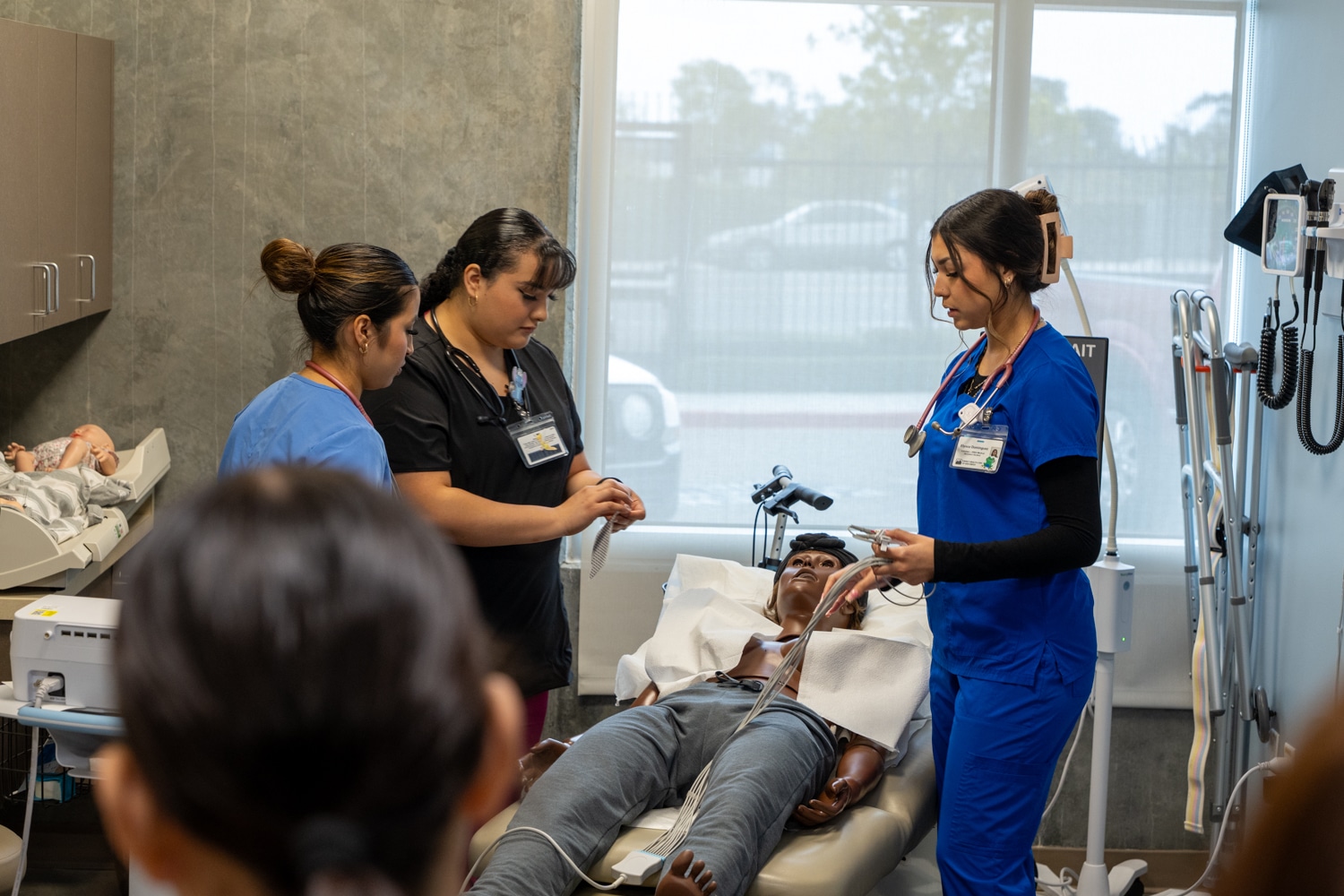
San Diego County faces growing demand for qualified healthcare professionals, with projections for over 2,100 annual openings for medical assistants and licensed vocational nurses through 2030, and 80% of surveyed healthcare employers citing challenges with job readiness. Operating health centers across the region that serve over 227,000 patients, Family Health Centers of San Diego has also been focused on bridging the health-worker gap through its Laura Rodriguez Medical Assistant Institute that prepares people for careers in healthcare. The Neighborhood Builders grant funds will be used to train additional medical assistants and licensed vocational nurses through this workforce development program.
“As patients struggle to access much needed medical and mental health services, the generous grant supports Family Health Centers of San Diego Medical Assistant and LVN training programs,” said Dr. Chris Gordon, President Family Health Centers of San Diego. “Graduates of our programs provide much needed patient access to care and the training programs allow upward economic mobility for local workers. We are excited to share the patient and worker impacts with Bank of America and the Neighborhood Builders program as we move forward.”
Created in 2023 by USD’s School of Leadership and Education Sciences and the San Diego Foundation, the BiGI program equips middle and high school students – including those who are disproportionately represented in rates of suspensions, expulsion, chronic absenteeism – with the skills and resources needed to help them graduate and go on to college. The program also works with students’ families to collectively foster the next generation of young scholars, expanding from 68 scholars in its inaugural 2023 cohort to 291 active scholars today, with a target of reaching 420 by 2030.
“Talent is everywhere, but opportunity is not. At the University of San Diego’s School of Leadership and Education Sciences (SOLES), we believe deeply in our responsibility to expand educational opportunities for young people across San Diego,” said Kimberly White-Smith, EdD, Dean of SOLES. “Through BiGI, we have the privilege of working alongside students and their families over seven years, nurturing their talents, building meaningful relationships, and helping them imagine and pursue their futures.”
Since the program’s inception in 2004, 36 nonprofits have been selected as Neighborhood Builders in San Diego, with the bank investing more than $6 million in philanthropic capital into its Neighborhood Builders locally.
About Family Health Centers of San Diego
Since 1970, FHCSD’s mission has been to provide caring, affordable, high-quality health care and supportive services to everyone, with a special commitment to uninsured, low-income and medically underserved persons. FHCSD is one of the top 10 largest federally qualified health centers in the country, operating more than 90 sites across San Diego County and providing care to more than 227,000 patients each year, of whom 91% are low-income and 29% are uninsured.