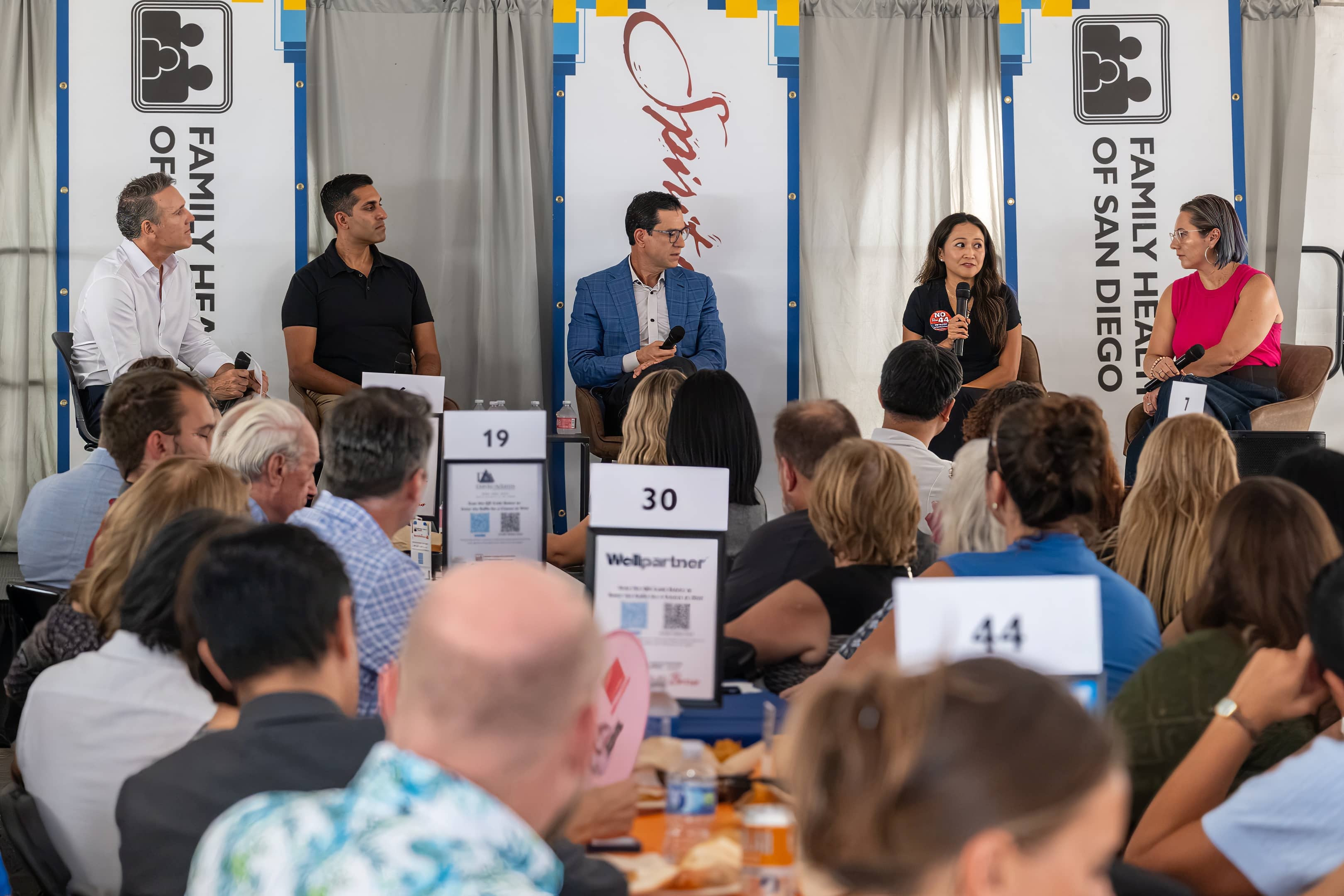
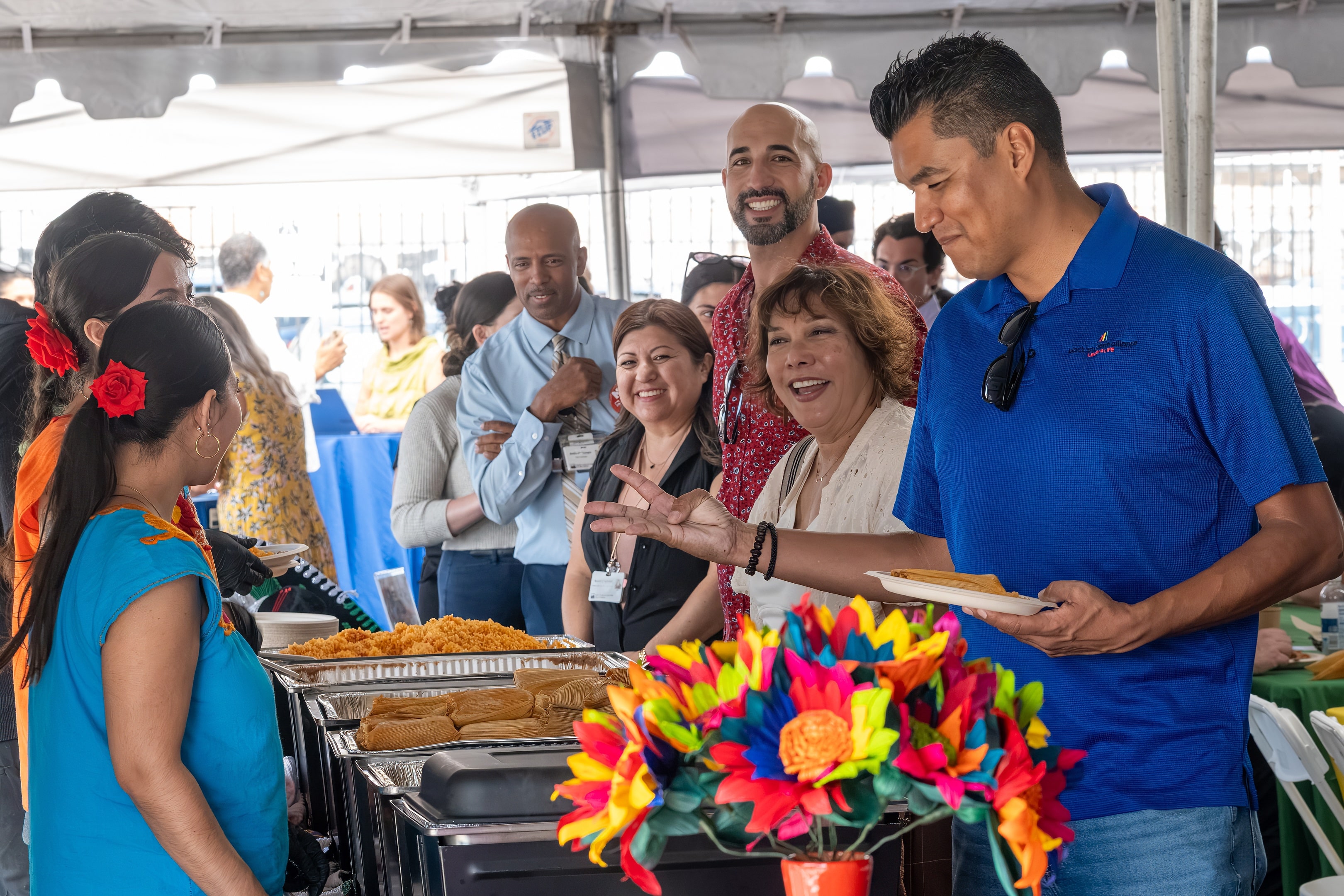
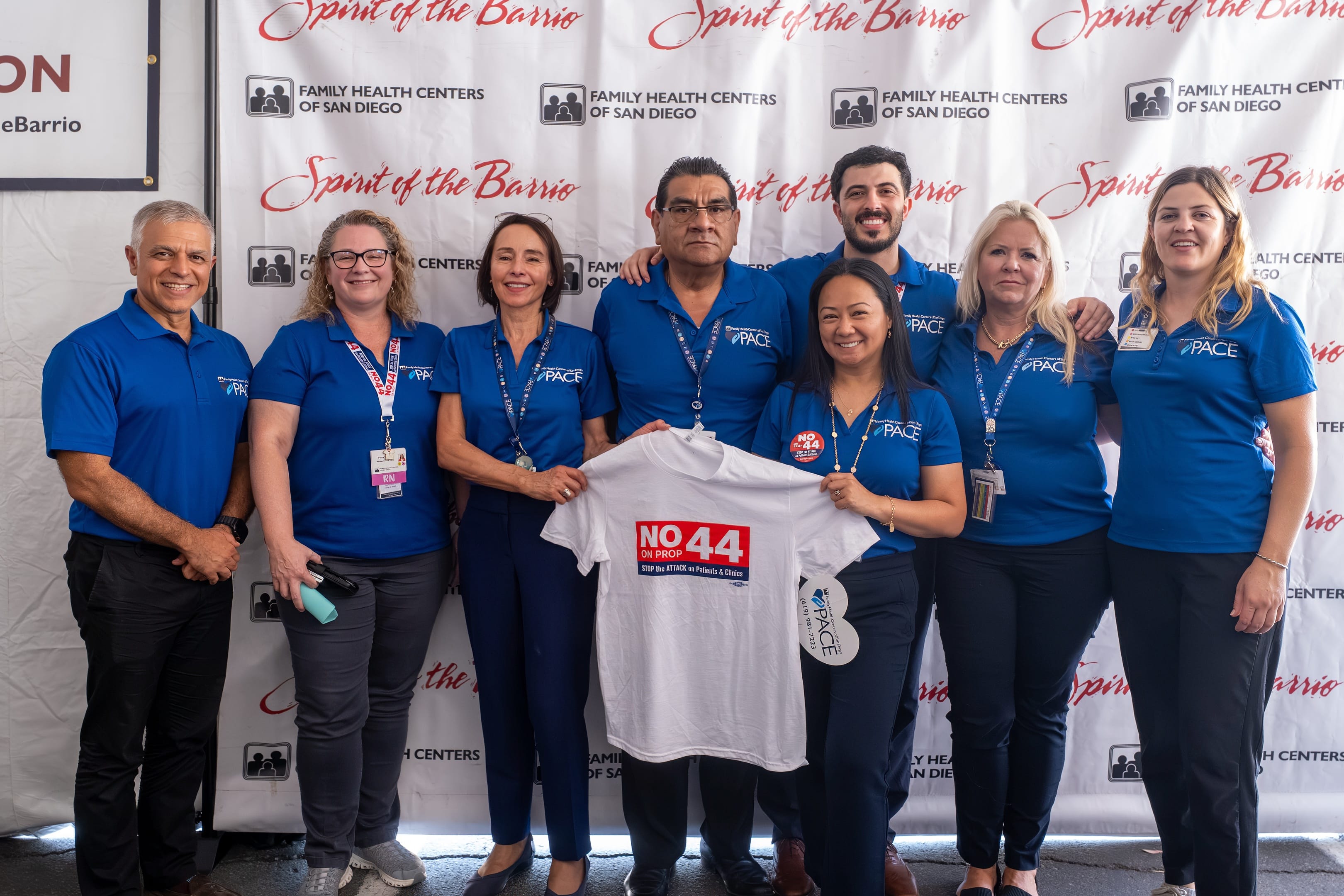
SAN DIEGO, CA – (August 21, 2026) Family Health Centers of San Diego (FHCSD) hosted its Spirit of the Barrio luncheon on Friday, August 21, 2026, bringing together more than 400 community members for a discussion focused on Proposition 44 and the risks it poses to access to care for patients and communities across California. The event marked the third gathering in a year-long celebration of Spirit of the Barrio’s 40th anniversary.
The luncheon featured a panel of health care providers, advocates and policy experts who discussed the vital role community health centers play in advancing health equity, providing comprehensive care and serving as a lifeline for millions of Californians regardless of their ability to pay.
Throughout the discussion, panelists shared a common message: Proposition 44 puts access to care at risk. Speakers cautioned that the measure fails to account for the full range of services required to deliver comprehensive, community-based care and could leave vulnerable patients with fewer pathways to treatment. Panelists urged attendees to consider the impact on the 7 million Californians who rely on community health centers, including 1 in 3 Medi-Cal patients.
The conversation was moderated by Carlo Cecchetto, evening news anchor for CBS 8 San Diego. Panelists included:
- Francisco J. Silva, Esq., President & CEO, California Primary Care Association
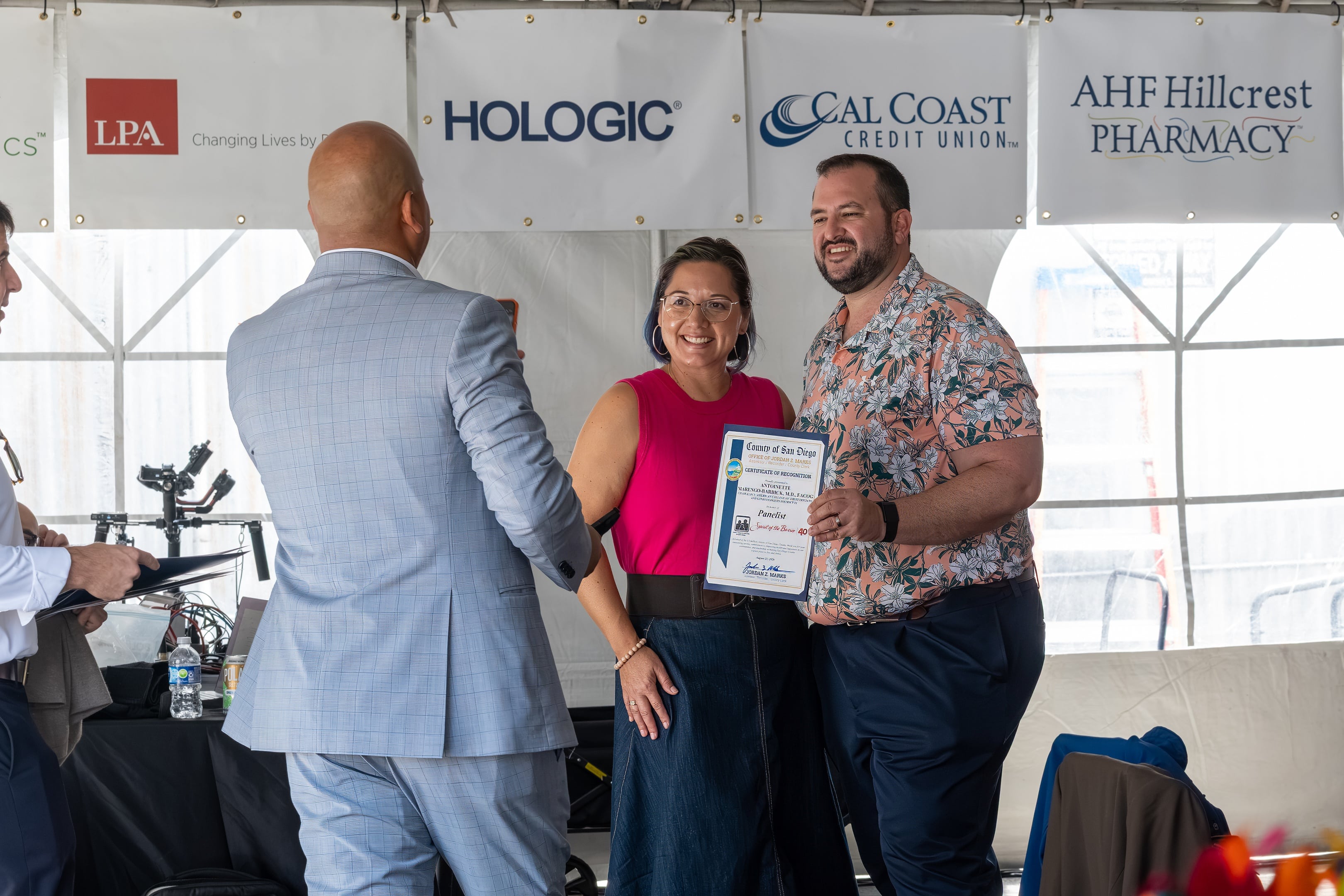
- Antoinette Marengo-Barbick, M.D., FACOG, Chief Medical and Transformation Officer, Planned Parenthood of the Pacific Southwest and Chair-elect, American College of Obstetricians and Gynecologists, District IX
- Vik Gulati, M.D., FACEP, Board-Certified Emergency Physician and Past President, California Chapter of the American College of Emergency Physicians
- Pauline Lucatero, MSN, RN, Vice President of Community Affairs, Family Health Centers of San Diego
Lucatero highlighted the impact Proposition 44 could have on the patients and families who rely on community health centers every day.
“When I think of this proposition, I immediately think of the people who will be impacted, the children, the families, the same people we were serving during COVID,” Lucatero said. “That is really, really worrisome.”
She noted that community health centers depend on a wide range of services to reach and support vulnerable populations, and that Proposition 44 would penalize clinics for investing in many of those services.
“At FHCSD, we have mobile clinics that go out into communities to provide care and access to those who need it most,” Lucatero said. “Those services could be threatened under Proposition 44, including our transportation teams that bring care into communities and shelters, medical technology like mammogram machines, and the IT systems that allow clinicians to access patient records and provide coordinated care.”
Dr. Gulati emphasized how community health centers provide care coordination, diagnostic imaging and specialty referrals that help patients receive the treatment they need before conditions escalate into emergencies. He shared the story of a patient with a seizure disorder who repeatedly sought care in the emergency department because accessing neurology services and managing medications was difficult without insurance coverage.
“If a patient can’t get an X-ray, if providers can’t communicate across care teams, or if a patient can’t even access primary care, they will continue showing up in emergency rooms sicker and sicker,” Gulati said. “This is not hypothetical. It’s very real, and when you’re the person watching it happen, you have to ask: Why are we allowing this to happen?”
He added that the effects of Proposition 44 would be felt throughout the broader health care system.
“As an emergency physician, we’re proud to be the backstop of health care for our communities,” Gulati said. “But when patients can’t access preventive care, routine care or specialty care, they arrive in emergency departments in much worse condition. That impacts not only those patients, but the entire health care system.”
FHCSD recognized community organizations and businesses that helped make the luncheon possible, including Community Health Group, Image One, JLL, Rancho Mesa Insurance Services, U.S. Bank, Whiting-Turner, EDCO, and the Port of San Diego.
FHCSD looks forward to continuing to foster dialogue, connection and community impact across San Diego throughout its 40th year of Spirit of the Barrio luncheons.
About Spirit of the Barrio
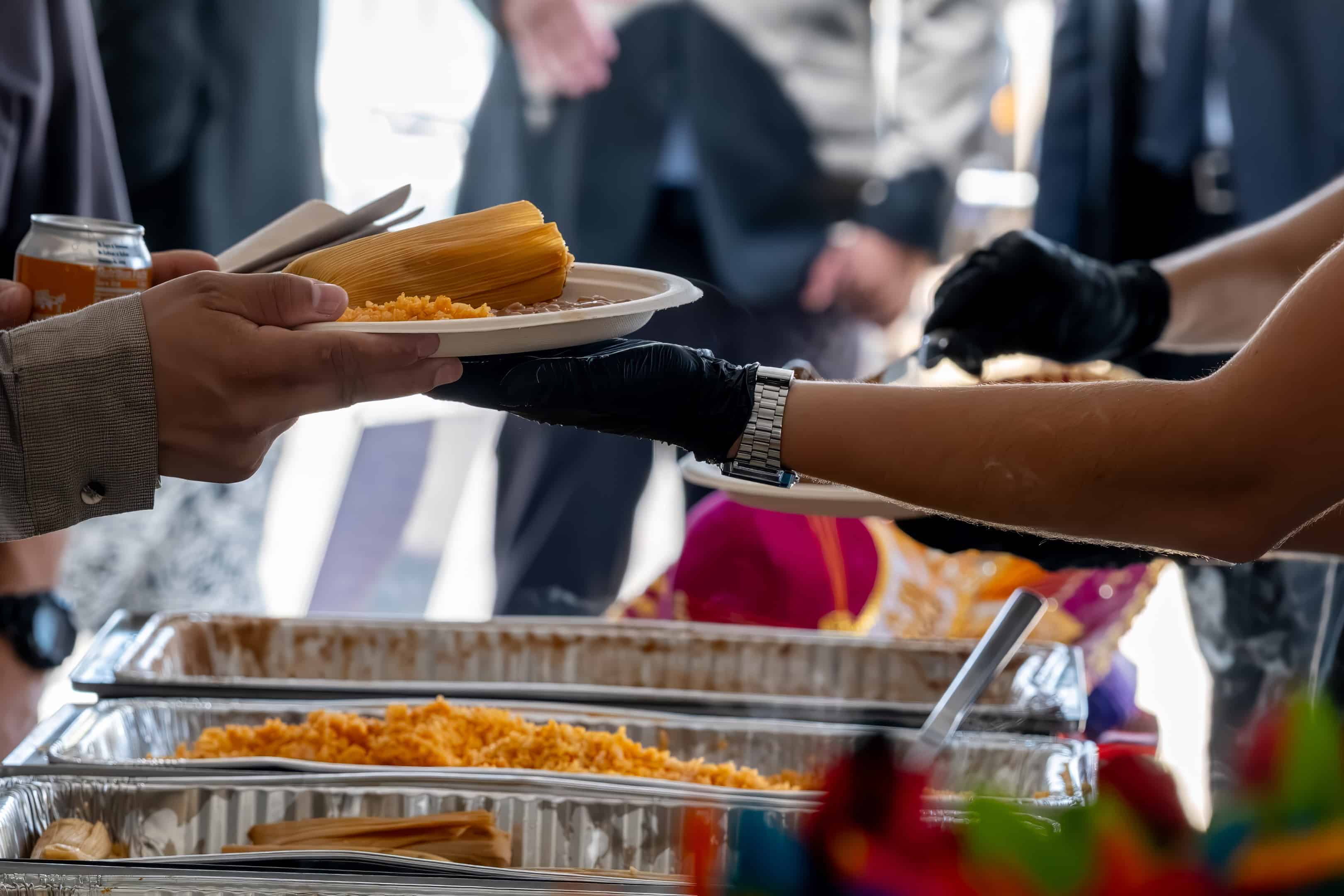
Since 1986, the Spirit of the Barrio luncheon has helped raise awareness of Family Health Centers of San Diego’s mission to deliver high-quality health care to underserved communities across the region. The event features a variety of timely topics and a diverse lineup of guest speakers, offering attendees the opportunity to be informed, educated and entertained — all while enjoying FHCSD’s signature tamales.
About Family Health Centers of San Diego
Since 1970, FHCSD’s mission has been to provide caring, affordable, high-quality health care and supportive services to everyone, with a special commitment to uninsured, low-income and medically underserved persons. FHCSD is one of the top 10 largest federally qualified health centers in the country, operating more than 90 sites across San Diego County and providing care to more than 227,000 patients each year, of whom 91% are low-income and 29% are uninsured.