Food safety is important for everyone. With recent reports about food contamination and parasites in the news, many people may have questions about how to keep their food safe. Harmful germs and parasites can make people sick if food is not handled or cooked the right way. The good news is that there are simple steps you can take at home to help keep your food safe. Here are some common food safety questions and easy tips to protect yourself and your family.
With recent issues concerning food with parasites or other contamination, what should Individuals do to ensure their meals are safe?
With food contamination and parasites in the news, people can take simple steps to keep meals safe. The CDC recommends four steps: clean, separate, cook and chill. Wash your hands and food surfaces, keep raw meat and eggs away from other foods, and use a food thermometer to make sure food is fully cooked. Refrigerate perishable food within two hours.
What food should be washed before preparing (eggs, veggies fruits, meat?)
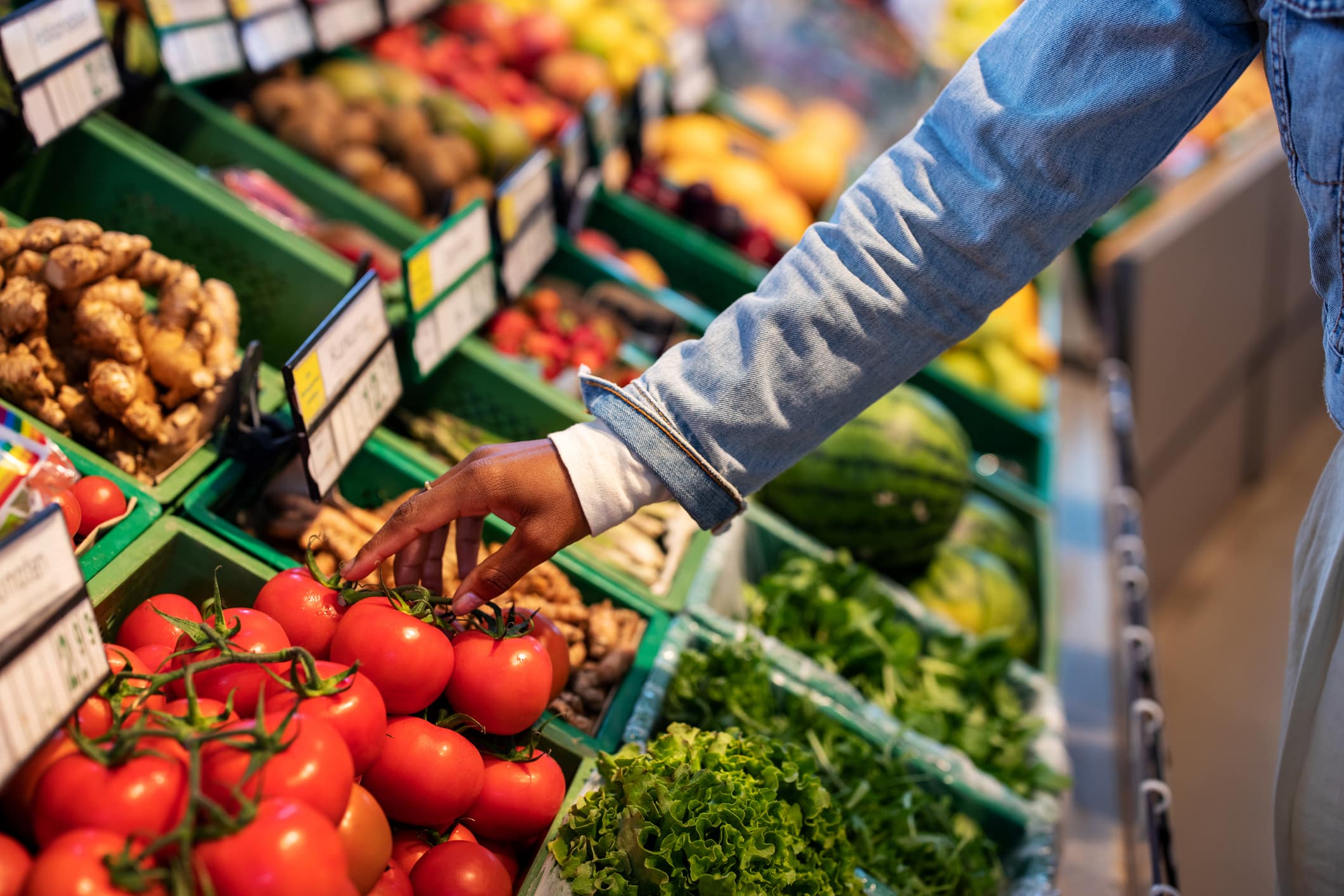
Fresh fruits and vegetables should be washed under running water before eating or cooking. Firm foods, like apples and potatoes, can be scrubbed with a clean brush.
Do not wash raw meat, poultry or eggs. Washing them can spread harmful germs around the kitchen. Instead, cook meat and poultry well to kill germs. Store-bought eggs are already cleaned and do not need to be washed at home.
Can raw meat contaminate other foods in the refrigerator?
Raw meat can contaminate other foods in the refrigerator if its juices leak or spill. The CDC and USDA recommend keeping raw meat separate from other foods and storing it in a sealed container or wrapping it well. It is also best to keep raw meat on the bottom shelf so its juices do not drip onto other foods.
How long can food sit out at room temperature?
Food should not sit at room temperature for more than two hours. If the temperature is above 90 degrees, food should not sit out for more than one hour.
Foods such as meat, eggs, dairy and leftovers can grow harmful germs if left out too long. When in doubt, throw it out.
Is there anything else that people should know about food safety?
There are a few other important food safety tips to remember. Pregnant women should avoid unpasteurized foods and drinks, such as raw milk, some soft cheeses and unpasteurized juice, because they may contain harmful germs. Always cook food to the proper internal temperature to help kill germs. Do not thaw frozen food on the counter. Instead, thaw it in the refrigerator, cold water or the microwave. It is also a good idea to wash the lids of cans before opening them. Finally, food poisoning symptoms may start right away or may take days or even weeks to appear. Symptoms can vary from person to person.
Conclusion
Keeping food safe does not have to be hard. Remember to clean, separate, cook and chill. Wash your hands and fresh produce, keep raw meat away from other foods, cook food well, and put leftovers in the refrigerator quickly. These simple steps can help prevent foodborne illness and keep you and your family healthy.